
Silver streaks at 22. Crow’s feet at 25. What previous generations spent thousands trying to reverse, Gen Z is now deliberately creating. The anti-aging industry built on fear and shame faces its biggest disruption yet—a generation that’s rewriting beauty standards by embracing what was once forbidden.
This isn’t about giving up on skincare or letting genetics take the wheel. It’s a calculated rebellion against decades of marketing that told women their worth diminished with every line and gray hair. Gen Z has turned premature aging into a power move, transforming “flaws” into features worth flaunting.
The shift started quietly on social media but exploded into mainstream beauty culture by late 2025. Now, salons report 340% increases in gray hair requests, while cosmetic brands scramble to create products that enhance rather than hide natural aging signs.
The Gray Hair Revolution: From Stigma to Status Symbol
Twenty-three-year-old influencer Maya Chen sparked global conversation when she documented her transition from bleached blonde to natural silver on TikTok. Her series “Going Gray at 23” garnered 45 million views and inspired thousands of followers to embrace their natural color—or create it artificially.
“I was spending $300 every six weeks covering grays I started getting at 19,” Chen explains. “One day I realized I was literally paying to hide who I am. The gray makes me feel distinguished, not old.”
Professional colorists now offer “premature gray” services, using techniques like strategic highlighting and toning to create authentic-looking silver streaks. Rita Hazan, celebrity colorist in New York, reports that 60% of her Gen Z clients request some form of gray enhancement rather than coverage.
The Science Behind Early Graying
Contrary to popular belief, early graying isn’t always genetic. Stress, vitamin deficiencies, and environmental factors contribute significantly. Dr. Jennifer Chwalek, dermatologist at Mount Sinai, notes that Gen Z’s stress levels—from climate anxiety to economic uncertainty—may actually accelerate natural graying processes.
“We’re seeing more clients in their early twenties with genuine premature graying,” says Chwalek. “But we’re also seeing those who don’t have natural grays seeking to create them. It’s unprecedented.”
How to Achieve the Look
For those wanting to join the gray hair movement, options range from temporary to permanent:
- Color depositing shampoos: Brands like Overtone and Arctic Fox offer silver tones that gradually build coverage ($15-25)
- Professional highlighting: Stylists use foils to create natural-looking gray streaks ($150-400)
- Gray wigs and extensions: Temporary options for experimenting with the look ($30-200)
- Embrace natural grays: Simply stop coloring and let nature take its course
Wrinkles as Wisdom: The Fine Line Renaissance
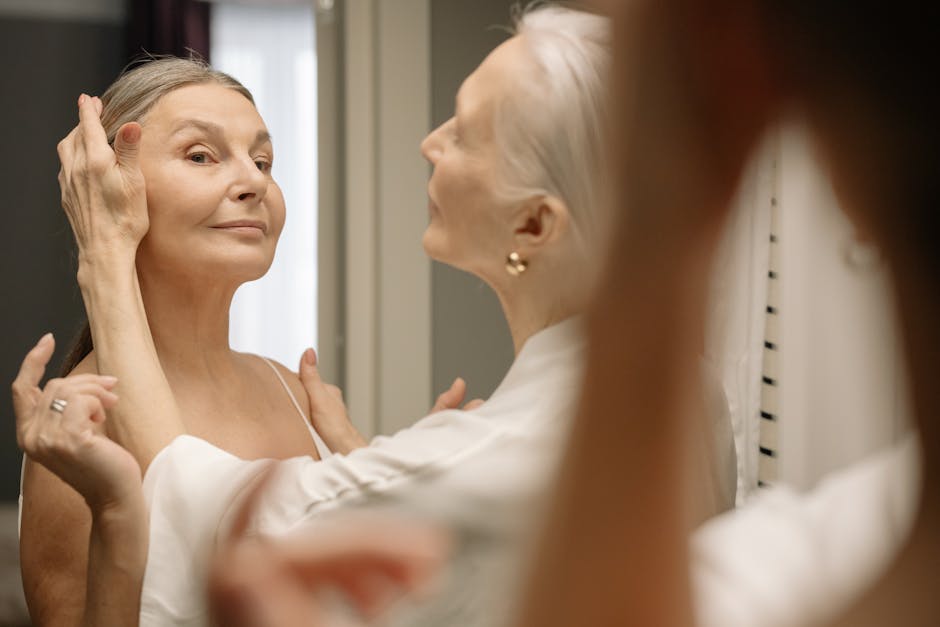
While millennials spent fortunes on preventative Botox, Gen Z is taking a radically different approach. The “wisdom wrinkle” trend celebrates expression lines as evidence of a life fully lived. Smile lines, crow’s feet, and forehead creases are being enhanced rather than erased.
Twenty-six-year-old artist Zoe Martinez went viral when she posted a makeup tutorial titled “How to Fake Laugh Lines.” Using a combination of contouring and highlighting techniques, she created the appearance of well-established smile lines around her eyes and mouth.
“People think I’m crazy for wanting to look older,” Martinez says. “But I associate those lines with my grandmother, who had the most beautiful laugh lines from decades of joy. Why wouldn’t I want that?”
The Makeup Techniques
Professional makeup artists have developed specific techniques to enhance or create natural-looking aging signs:
- Strategic contouring: Using slightly darker concealer to mimic natural shadow in expression lines
- Highlighting techniques: Adding subtle shimmer to areas where skin naturally catches light as it ages
- Texture enhancement: Using setting powders to create the appearance of fine lines
- Under-eye enhancement: Carefully applied makeup to suggest natural aging patterns
Brands like Glossier and Rare Beauty have launched “aging enhancement” palettes specifically for these techniques, with sales exceeding $12 million in the first quarter of 2026.
The Psychology Behind the Trend
Dr. Sarah Williams, behavioral psychologist specializing in beauty trends, attributes this shift to Gen Z’s relationship with authenticity. “Previous generations feared aging because it represented loss—of youth, opportunity, relevance. Gen Z views aging as accumulation—of wisdom, experience, authenticity.”
This generation grew up watching heavily filtered social media transform into a demand for “photo dumps” and unfiltered reality. The embrace of premature aging represents the logical next step in this authenticity movement.
The Industry Response: Adaptation or Extinction
Traditional anti-aging giants face an existential crisis. L’Oréal reported a 23% decline in anti-aging product sales among consumers under 30, while their new “Age Enhancement” line sold out within weeks of launching.
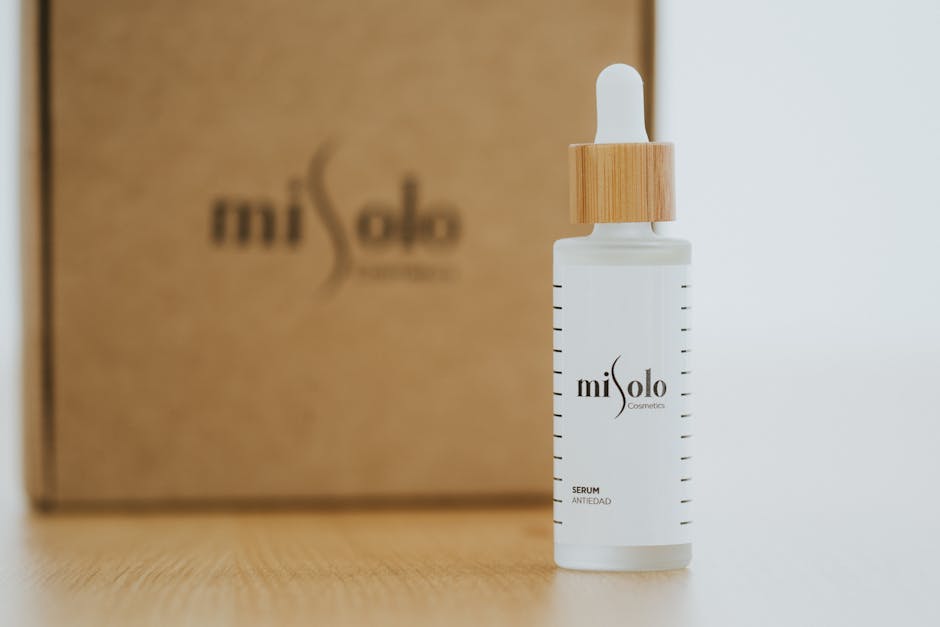
Smaller brands have pivoted faster. The Ordinary introduced “Aging Celebration Serums” that enhance rather than prevent natural aging processes. Fenty Beauty’s “Wisdom Collection” includes highlighters specifically designed to emphasize expression lines and silver hair tones.
Professional Treatment Evolution
Dermatologists and plastic surgeons are adapting their practices. Instead of offering only wrinkle reduction, many now provide “selective aging” treatments—procedures that enhance desirable aging signs while addressing others.
Dr. Michael Gold, dermatologist in Nashville, offers “wisdom enhancement” injections that create subtle, natural-looking expression lines for clients who want them. “It’s the opposite of everything I was trained to do, but if it makes my patients feel confident and authentic, I support it.”
The Authentic Aging Movement’s Future
This trend represents more than fashion—it’s a fundamental shift in how society views aging. Gen Z’s embrace of premature gray hair and wrinkles challenges decades of beauty industry messaging and creates space for more inclusive definitions of attractiveness.
The movement isn’t without critics. Some argue it’s privileged to choose aging when not everyone has that luxury, while others worry about the long-term implications of deliberately accelerating natural processes.
However, the numbers don’t lie. Search terms for “gray hair young” increased 890% in 2026, while “anti-aging” searches among users under 25 dropped 45%. The beauty industry’s $532 billion empire built on fighting aging faces its biggest challenge yet.
For those considering joining this movement, the message is clear: authenticity trumps youth, wisdom beats wrinkle-free, and silver hair shines brighter than any dye job. Gen Z isn’t just changing beauty trends—they’re redefining what it means to age gracefully by choosing to age boldly instead.
The anti-aging era is ending. The authentic aging revolution has begun, and it’s being led by the youngest generation in the room—gray hair, laugh lines, and all.