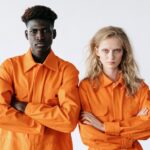

The binary of “men’s” and “women’s” sections in department stores is becoming as outdated as flip phones. Fashion’s most influential voices—from Harry Styles to Zendaya—have spent years dismantling these artificial barriers, and 2026 marks the tipping point where gender-fluid fashion shifts from runway statement to mainstream reality.
Major retailers are finally catching up. Target launched its “All Threads” collection in late 2025, featuring 200+ pieces designed without gender constraints. H&M’s “Unified” line generated $89 million in its first quarter, while luxury brands like Gucci and Saint Laurent are dedicating entire floor space to gender-neutral collections. This isn’t a trend—it’s a fundamental restructuring of how fashion operates.
The Economics of Inclusive Design
Retail Revolution in Numbers
Gender-fluid fashion represents a $2.4 billion market opportunity, according to McKinsey’s 2026 Fashion Report. Gen Z drives this demand, with 73% preferring brands that don’t segregate clothing by traditional gender lines. The numbers tell the story: ASOS saw a 156% increase in searches for “unisex” clothing between 2024-2025, while Nordstrom’s gender-neutral sections outperformed traditional departments by 34%.
Smaller brands are leading innovation. Eckhaus Latta’s “No Gender” capsule collection sold out in 48 hours, with pieces like their $340 mesh tank worn equally by male and female customers. Telfar’s shopping bags became the ultimate gender-neutral status symbol, with waiting lists exceeding 50,000 people.
Supply Chain Adaptations
Manufacturing has evolved to support this shift. Traditional sizing systems based on binary gender assumptions are being replaced with body-inclusive measurements. Brands like Collina Strada now use a numerical sizing system (1-8) that corresponds to body measurements rather than gendered expectations.
Production runs are becoming more efficient too. Instead of creating separate men’s and women’s versions of similar styles, brands are investing in versatile pieces that work across body types. This reduces inventory costs while expanding potential customer base—a win-win that’s driving corporate adoption.
Key Trends Defining 2026
Silhouette Evolution
The most visible change is in silhouettes. Oversized blazers, once confined to “menswear,” are now designed with adjustable elements like removable shoulder pads and multiple button configurations. Brands like The Row and Lemaire are creating pieces that can be styled formally or casually regardless of the wearer’s gender presentation.
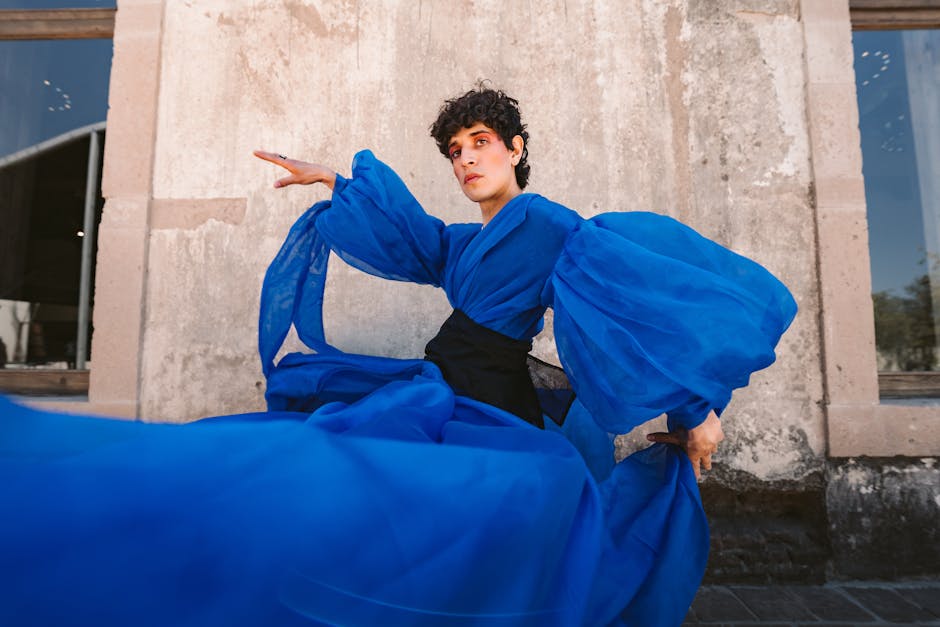
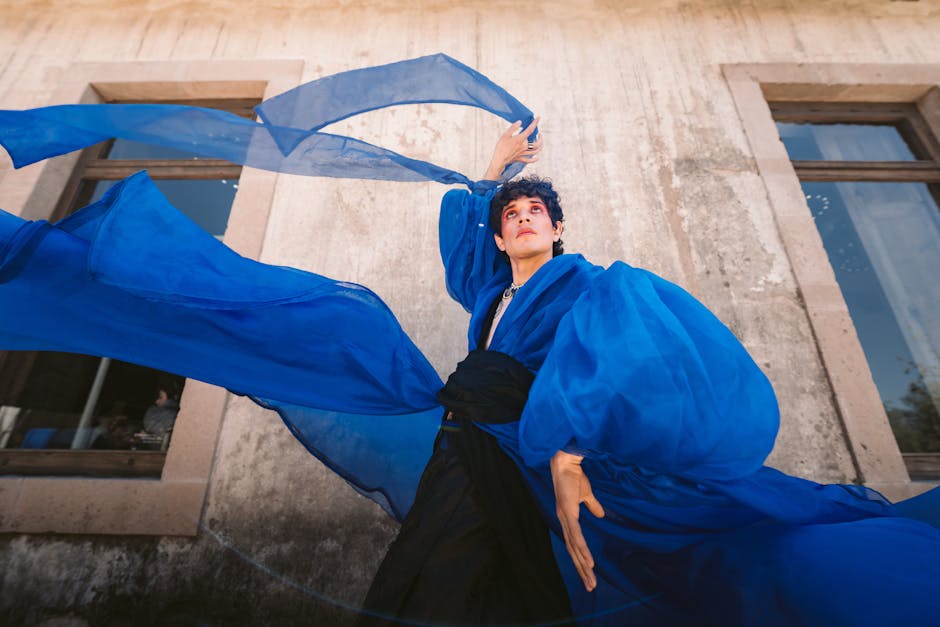
Dresses are being reimagined too. Palomo Spain’s shirt-dresses feature traditional “masculine” elements like spread collars and french cuffs, while maintaining flowing silhouettes. These pieces retail for $450-800 and have months-long waiting lists.
Color and Pattern Liberation
Pink is no longer feminine, black isn’t masculine, and florals appear on everyone. Jacquemus’s Spring 2026 collection featured men in pastel yellow crop tops alongside women in structured navy suits. The collection’s success—with 89% of pieces selling through—proves consumer appetite for color liberation.
Pattern mixing has become more adventurous. Ganni’s gender-fluid line combines traditionally “feminine” florals with “masculine” stripes and plaids in single garments. Their leopard-print suit, priced at $890, sold equally to customers across gender lines.
Functional Fashion Focus
Practicality trumps tradition in 2026. Clothing designed for actual bodies and lifestyles rather than gender stereotypes performs better commercially. Patagonia’s work-wear inspired pieces include features like reinforced knees and multiple pockets regardless of intended wearer.
Technical fabrics are democratizing fashion functionality. Outdoor Voices’ “CloudKnit” technology appears in everything from sports bras to button-downs, offering moisture-wicking and stretch properties that benefit everyone. Their unisex “Exercise Dress” ($85) became their best-selling item across all demographics.
Beauty Standards Shifting
Makeup Without Boundaries
Beauty brands are abandoning gendered marketing entirely. Fenty Beauty’s “Fenty Face” campaign features makeup looks on diverse models regardless of gender identity. Their “Glass Bomb” highlighter ($36) is marketed simply as “universal glow,” with tutorials showing application on masculine and feminine features alike.
Men’s grooming has expanded beyond basic skincare. Glossier’s “Olivia Rodrigo” lip oil became popular among male customers after TikTok influencer @jamescharleslol demonstrated its natural-looking shine. Sales to male customers increased 340% following his posts.
Hair as Expression
Hair lengths and styles are becoming personal choice rather than gender signaling. Salons report 67% more requests for “non-binary” cuts—styles that look intentional at various lengths as they grow out. Brands like Ouai are marketing hair products based on hair type rather than gender, with their “Leave-In Conditioner” ($28) becoming their top seller across all customer segments.
Shopping the Trend
Start with versatile basics. Uniqlo’s Heattech line offers thermal underwear in neutral colors designed to fit various body types. Their crew neck long-sleeve tees ($19.90) work as layering pieces or standalone tops regardless of gender presentation.
Invest in quality outerwear. A well-cut coat or jacket provides the biggest impact for gender-fluid styling. Everlane’s “Uniform” wool coat ($268) features clean lines and neutral colors that complement any wardrobe. Size up for oversized looks or choose true-to-size for tailored fits.
Accessories offer the easiest entry point. Bottega Veneta’s “Intrecciato” bags are designed without gender assumptions, with their mini jodie bag ($2,100) equally popular across customer demographics. For budget-conscious shoppers, Baggu’s nylon bags ($12-38) offer similar versatility.
—
Gender-fluid fashion in 2026 isn’t about abandoning personal style—it’s about expanding possibilities. Whether you’re shopping the latest Palomo Spain collection or mixing Target’s All Threads pieces with vintage finds, the key is choosing clothes that make you feel authentic. The fashion industry has finally caught up to what forward-thinking individuals have known for years: great style knows no gender.