
Luxury fashion houses are rewriting the rules of exclusivity. Instead of creating more new products, the world’s most prestigious brands are now competing to create the most innovative upcycled pieces from their own archives and deadstock materials.
Gucci’s “Off The Grid” collection, made entirely from recycled materials, generated $50 million in sales within six months of its 2020 launch. This success has sparked a luxury arms race in circular fashion, with brands like Bottega Veneta, Hermès, and Chanel investing millions in upcycling initiatives for 2026.
Archive Revival: When Heritage Meets Innovation
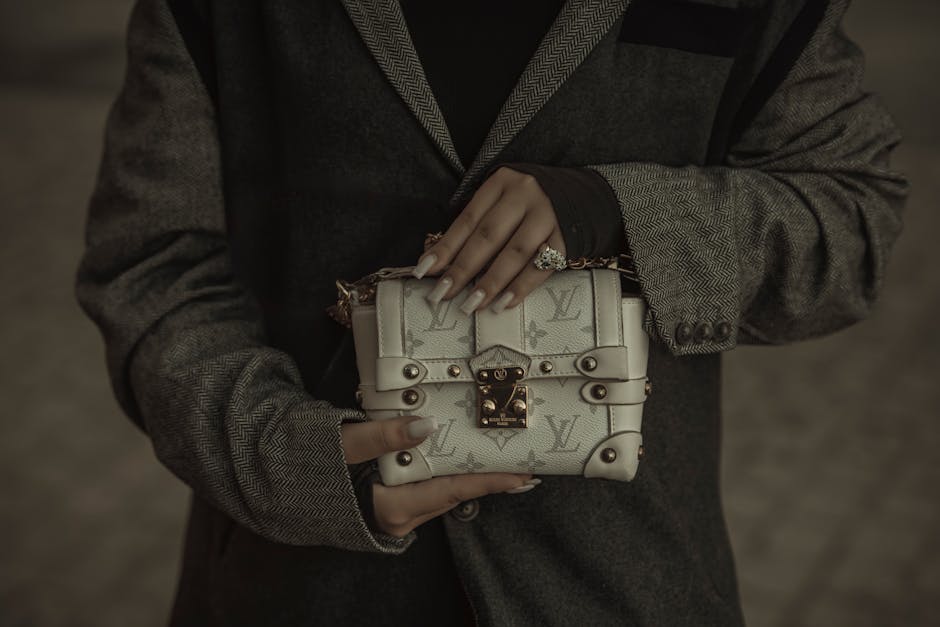
Hermès leads the pack with its “Petit H” workshop, where artisans transform leather offcuts, silk scarves with minor flaws, and vintage pieces into limited-edition accessories. A damaged Birkin bag becomes a series of small leather goods, while silk scarves with printing errors are reimagined as vibrant patchwork pieces. These upcycled items often command higher prices than original products—a Petit H wallet made from Birkin leather scraps sells for $2,400, compared to $1,800 for a standard wallet.
Bottega Veneta’s “Re-Edition” program takes a different approach, deconstructing unsold bags from previous seasons and rebuilding them into contemporary silhouettes. The brand’s signature intrecciato weave remains intact, but styles are updated with current hardware and proportions. A 2019 Jodie bag might be transformed into 2026’s trending micro-bag silhouette, maintaining the leather’s integrity while meeting current demand.
The Authentication Challenge
These archive-based pieces present unique authentication challenges. Fashionphile, the luxury resale platform, has developed new verification protocols for upcycled designer pieces. “We’re seeing Chanel pieces made from three different vintage bags,” says Sarah Davis, their authentication director. “The craftsmanship is genuine Chanel, but the provenance is complex.”
Deadstock Gold: Mining Fashion’s Waste Stream
Luxury brands generate enormous amounts of deadstock—fabrics ordered but never used, pieces that never made it to stores, or materials from discontinued lines. Prada’s “Re-Nylon” initiative transforms discarded fishing nets and plastic waste into their iconic nylon bags, but their newest venture focuses on their own textile waste.
Chanel’s “Métiers d’Art” workshops now dedicate 30% of their time to deadstock projects. Leftover tweeds from haute couture collections become limited-edition accessories, while unused buttons and trims are incorporated into ready-to-wear pieces. The brand’s 2026 cruise collection featured 15 pieces made entirely from materials that would have otherwise been discarded.
Saint Laurent’s approach is more radical. The brand has created a separate “Atelier Re-Création” team that works exclusively with deadstock materials. They’ve produced capsule collections where no two pieces are identical—each jacket uses different combinations of leftover fabrics, making every piece truly unique. Prices reflect this exclusivity, with deadstock jackets selling for 20-30% more than standard pieces.
The Economics of Waste Reduction
The financial incentives are compelling. Gabriela Hearst, now creative director at Chloé, reports that her deadstock initiatives have reduced material waste by 45% while increasing profit margins by 12%. The brand’s “Zero Waste” bags, made from leather scraps and textile remnants, have become bestsellers despite—or perhaps because of—their $3,200 price point.
Technology Meets Tradition: Digital Tools for Circular Design
Luxury upcycling isn’t just about craftsmanship—it requires sophisticated technology to maximize material usage and track provenance. Kering has invested $15 million in blockchain technology to trace every component in their upcycled pieces, from the original source through multiple transformations.
AI-powered design tools help brands optimize material usage. Stella McCartney’s design team uses machine learning to predict which fabric combinations will work best for upcycling projects. The technology can suggest design modifications that would allow a single piece of deadstock fabric to yield three bags instead of two, or recommend complementary materials from their waste stream.
Consumer Education and Storytelling
The most successful upcycled luxury pieces come with compelling stories. Each Hermès Petit H piece includes a card detailing its origins—which original bag the leather came from, how long that bag was in production, and how the artisan transformed it. This storytelling adds value and helps justify premium pricing.
Brunello Cucinelli has created augmented reality experiences that let customers see the transformation process. Point your phone at an upcycled cashmere sweater, and you’ll see a video of the original garment being carefully deconstructed and rewoven into its new form.
Investment Potential and Market Performance
Upcycled luxury pieces are showing strong resale values. RealReal data indicates that authenticated upcycled pieces from major houses retain 75-85% of their original value after two years, compared to 60-70% for standard pieces. The scarcity factor and unique provenance story contribute to this performance.
Limited production runs create immediate collectibility. Gucci’s upcycled “One-of-a-Kind” handbags, made from archive materials, often sell above retail price on the secondary market within months of release. The brand produces only 50-100 pieces per style, making them more exclusive than traditional limited editions.
What This Means for Your Wardrobe
The luxury upcycling movement offers several opportunities for conscious consumers. First, consider the resale potential when investing in upcycled pieces—they’re likely to hold value better than standard items. Second, look for authentication documentation and provenance stories, as these add both value and peace of mind.
For existing luxury owners, several brands now offer upcycling services for your current pieces. Hermès will transform damaged bags into new accessories, while smaller ateliers like Relovv specialize in breathing new life into designer pieces that have seen better days.
The circular luxury economy represents the fashion industry’s most promising response to sustainability concerns while maintaining the exclusivity and craftsmanship that defines luxury. As more houses invest in these programs, expect to see increasingly innovative approaches to waste reduction and material transformation throughout 2026.