


The Cap That Carries a Postcode
The Oppidan Wall Cap is not a fashion object by origin. It belongs to the Wall Game, Eton College’s notoriously arcane football variant played on a narrow strip of ground beside a centuries-old brick wall, by boys who did not win scholarships – the Oppidans, or fee-paying students. The cap itself is flat, structured, and worn with the kind of unselfconsciousness that comes from having never needed to explain yourself. That quality, it turns out, is exactly what contemporary headwear designers are chasing.
Structured caps are having a moment that goes beyond the baseball cap revival or the bucket hat fatigue of recent seasons. A growing number of designers are looking toward institutional British headwear – not the Guards bearskin or the Ascot topper, but the quieter, more utilitarian pieces that carry institutional weight without announcing it loudly. The Oppidan Wall Cap sits right at that intersection.


What Makes the Silhouette Worth Borrowing
The cap’s defining characteristic is its rigidity. Unlike the soft flat cap associated with northern English or Irish working-class dress, the Wall Cap holds a firm crown, sits low across the brow, and features a short, stiff peak that does not curve. The brim geometry is closer to a military field cap than anything streetwear has circulated widely. That stiffness communicates authority without bulk, which is a genuinely difficult balance to achieve in headwear construction.
The colorways associated with the Wall Game cap – deep navy, black, and occasionally a specific dusty blue – happen to align almost precisely with what menswear collections have been gravitating toward for structured separates. There is nothing accidental about why a cap built for a muddy November game beside a brick wall reads as austere and considered when lifted out of context. The absence of branding, the matte wool finish, and the close fit do the work that logos usually do.
Construction is the other factor driving interest. The Wall Cap is built to maintain its shape under physical stress – it was never designed to be folded into a back pocket or crushed under a jacket. That structural integrity is something luxury headwear brands actively seek and rarely achieve without either adding internal frames that feel artificial or charging significantly for hand-blocked wool forms. The Oppidan cap solves that problem through function, not luxury engineering, which gives it a credibility that engineered alternatives struggle to match.
Where It’s Appearing Now
The references are not always direct. Some brands are producing short-brimmed structured caps in pressed wool that stop short of citing Eton but carry the same visual grammar – minimal surface decoration, deep crown, forward-set peak. A growing number of British menswear labels working in the tailored-casual space have introduced caps that sit noticeably closer to the Wall Cap silhouette than to any American sportswear reference. The styling context tends toward heritage outerwear: waxed cotton, tweed, unlined wool coats.
Styling decisions matter here. The Wall Cap’s institutional origin means it carries a specific class signal in British cultural reading, but that signal dissolves almost entirely outside the UK. Internationally, it reads simply as severe, well-made, and old. That gap between domestic cultural meaning and international visual reception is what gives the silhouette room to travel into fashion contexts without the friction that would accompany, say, a direct citation of old school tie dressing.

The Mechanics of Institutional Drift
British institutional dress has a documented pattern of moving outward from enclosed worlds into broader fashion circulation, usually with a lag of several decades. The college scarf, the rowing blazer, the prefect’s waistcoat – each of these made the same journey. The Eton stripe has already made that crossing into unisex neckwear, and the visual logic of the Wall Cap is following a similar path: austerity, institutional weight, and an absence of decorative excess are all qualities that resonate when fashion is in a quieter cycle.
What separates the Wall Cap from other institutional borrowings is how little modification it requires. The rowing blazer had to shed its racing function; the college scarf had to expand its gender address. The Wall Cap arrives almost ready-to-wear. Its proportions already fit contemporary preferences for a lower, wider silhouette in headwear. Its coloring is already neutral. Its material – wool or wool-blend – is already what premium headwear collections use as default. The design asks nothing of the borrower except the confidence to wear something with no visible logo and no flexible brim.
That last point is where the trend runs into its natural ceiling. The cap’s rigidity makes it polarizing in markets where headwear is expected to function across contexts – commuting, exercise, travel. A cap that cannot be folded without damage and that sits too formally for casual weekend wear has a narrower practical audience than its aesthetic appeal might suggest. Luxury streetwear has found ways to harden the baseball cap silhouette without fully committing to the Wall Cap’s severity, which suggests some labels are circling the reference rather than landing on it directly.
The more interesting question is whether the cap remains a menswear story or whether it crosses. Structured headwear has moved across gender lines before – the trilby, the beret, the bucket hat all made that transit – but the Wall Cap’s institutional associations are heavily male, its crown height sits awkwardly against many women’s styling frameworks, and its cultural origin is a boys’ school. None of those factors are absolute barriers. But they do mean that if the cap broadens its audience, the version that crosses over will likely look somewhat different from the original – softer at the crown, slightly longer at the peak, perhaps recolored.
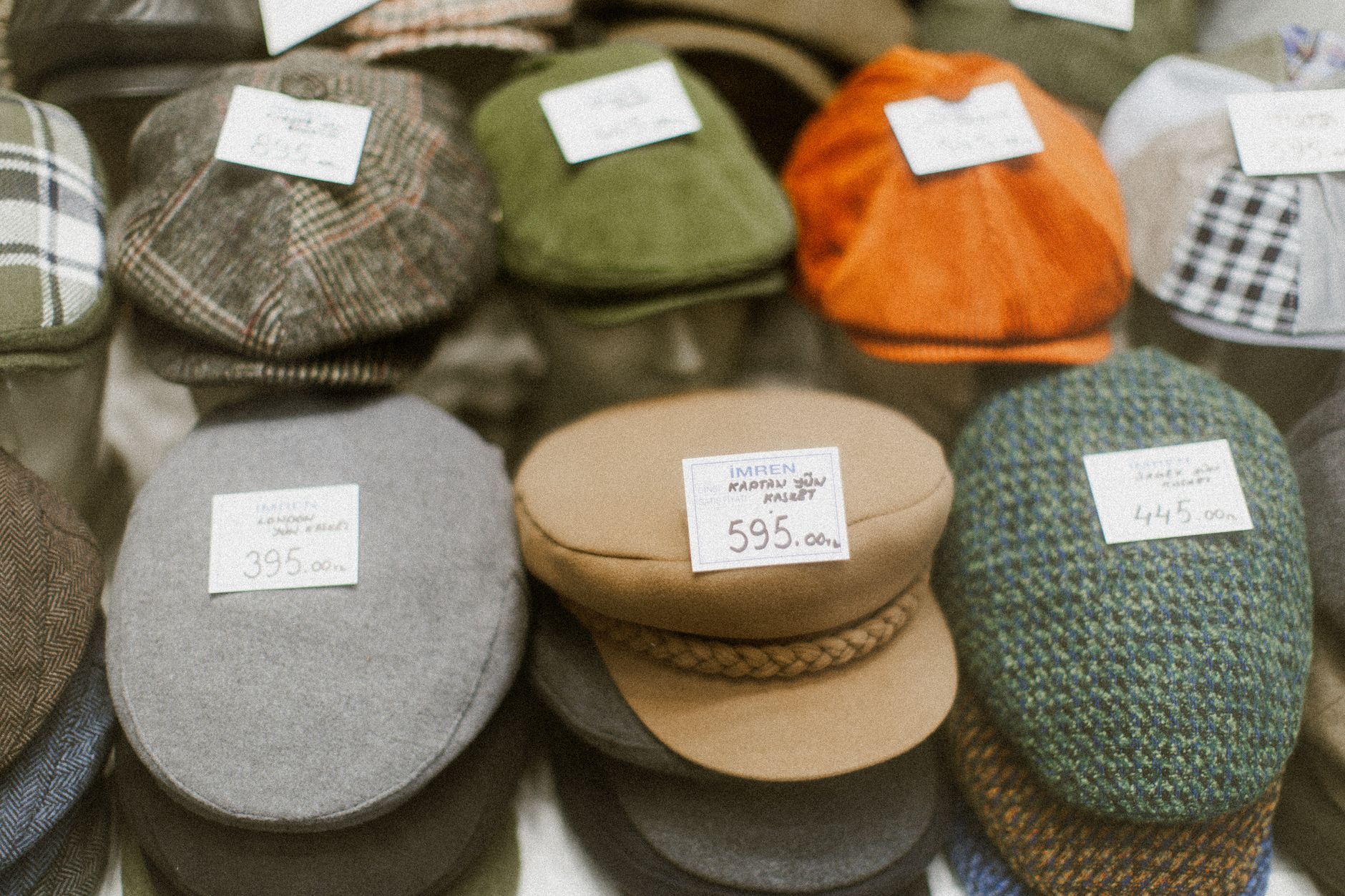
For now, the Wall Cap exists in that specific fashion holding pattern where the reference is clear enough to be intentional but loose enough to be deniable. Designers borrowing its geometry can claim purely structural inspiration. Wearers can claim they simply prefer a stiff peak. The Oppidan Wall Game, meanwhile, is still played on that same strip of ground every November – and the caps worn there still have nothing to do with fashion at all.