


When Equestrian Hardware Meets the Modern Wardrobe
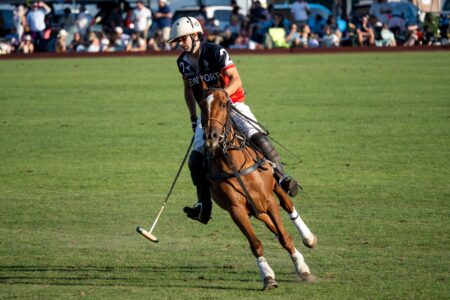
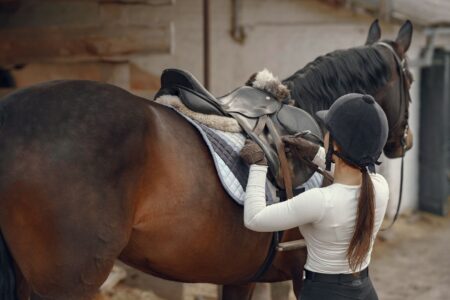
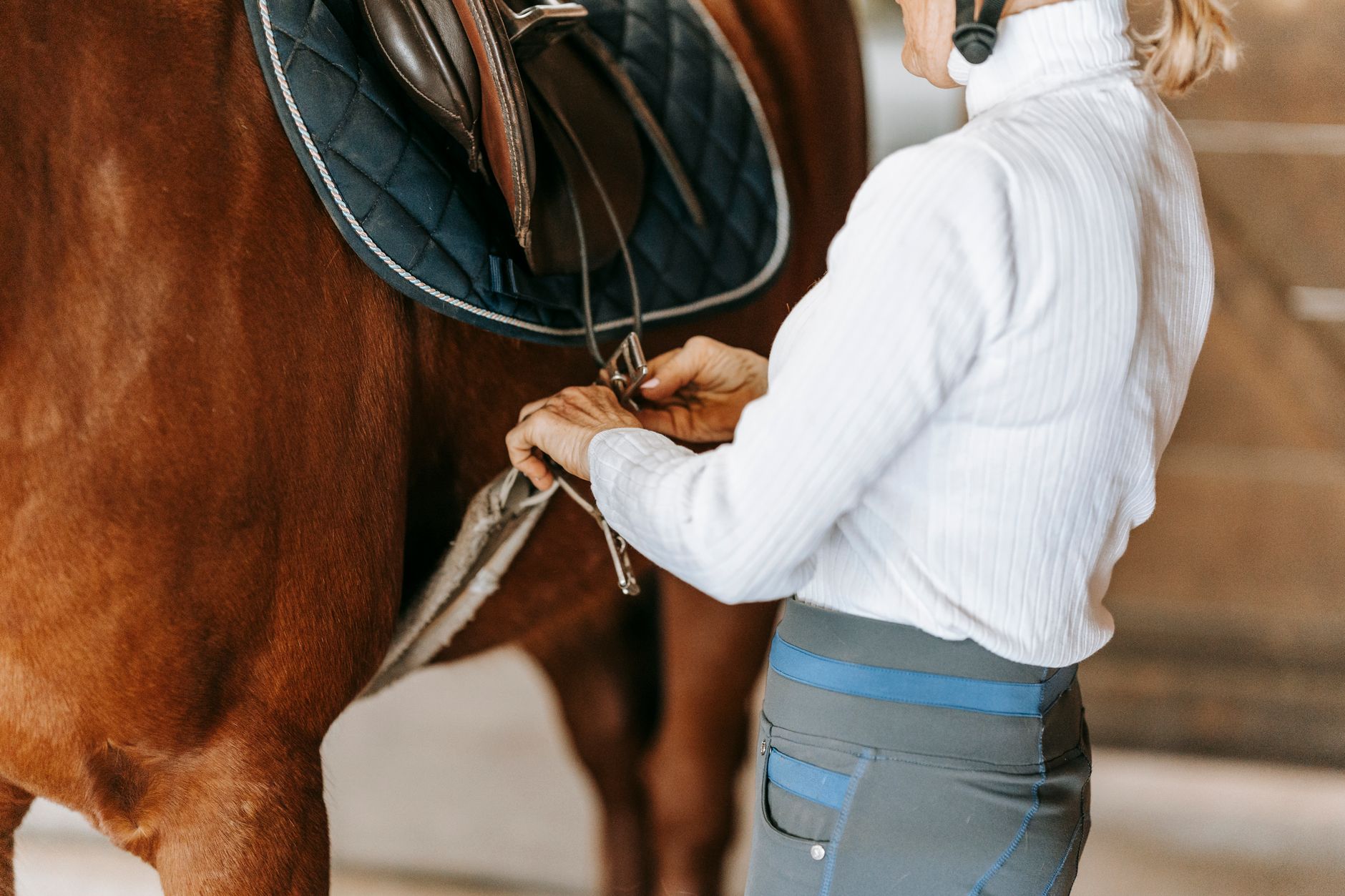
The surcingle buckle – that flat, pronged fastening long used to secure horse blankets and polo equipment around a horse’s girth – has spent decades doing its job in silence on the paddock. It is a strictly functional object: wide, low-profile, and built to distribute pressure evenly across leather or webbing without bulk. Those exact qualities are now making it a quiet obsession among belt designers working in the minimalist space, where the hardware is often the only visible design decision on an otherwise stripped-back piece.
What is drawing designers toward this specific piece of equestrian hardware is not nostalgia or a vintage costume impulse. The surcingle buckle’s tongue construction – the metal bar that pins through a series of holes without the usual frame-and-prong architecture of a standard dress buckle – sits remarkably flat against the body. For a category of fashion where hardware silhouette is everything, that difference in profile is the whole point.

The Anatomy of the Buckle Tongue That Changes Everything
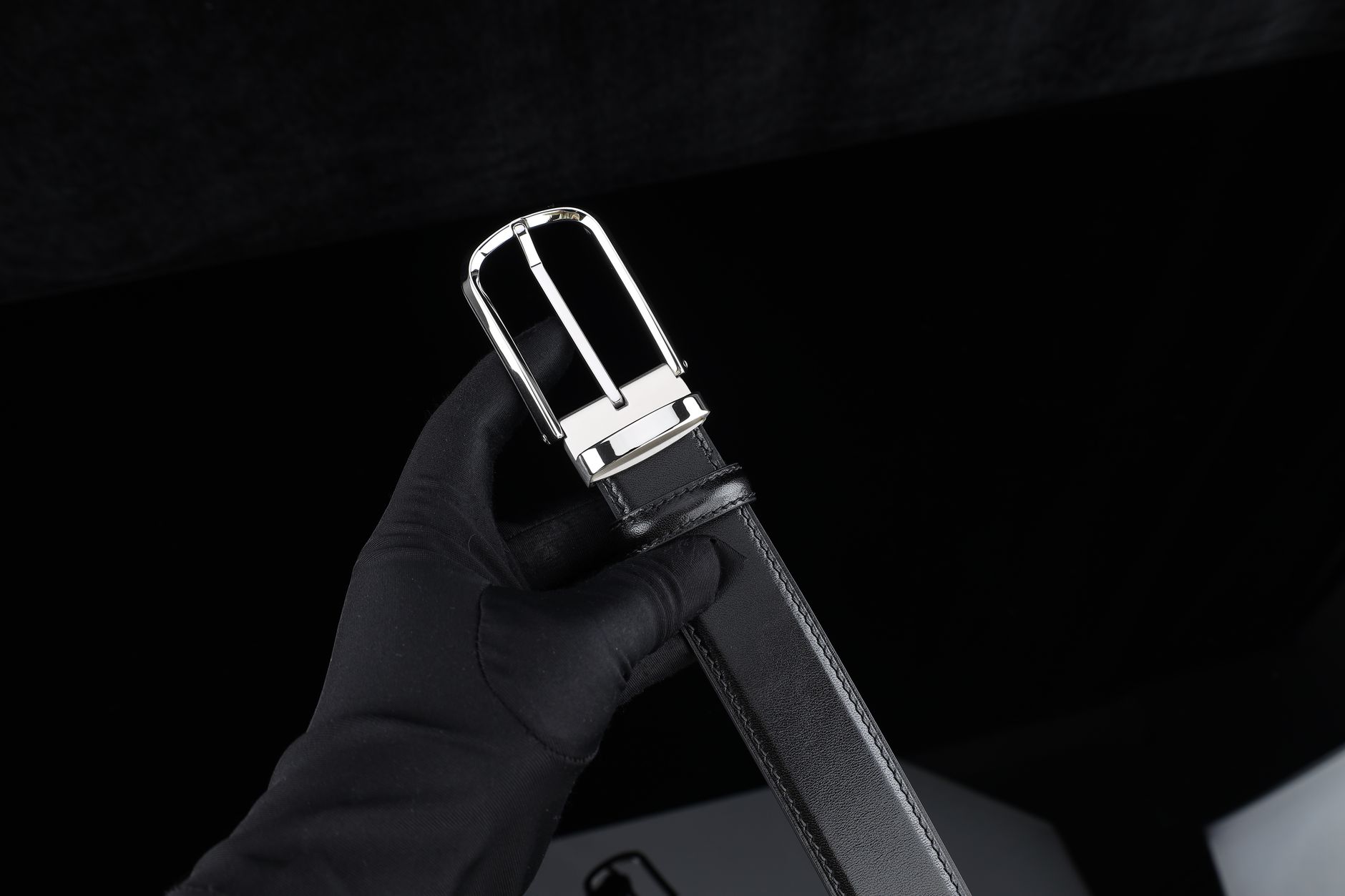
Standard belt buckles carry a visible frame: a rectangular or D-shaped border that the tongue pivots within, creating a raised, layered look at the waistline. The polo club surcingle approach eliminates or dramatically reduces that frame. The tongue sits on a fixed bar, threading through a single loop attached directly to the belt strap, which means the whole assembly presses close to the surface of the leather. On a clean leather belt with no visible stitching, the effect is almost architectural – a single line of hardware where most belts would show a cluster of components.
The buckle tongue itself also tends to be longer than its dress-belt equivalent, spanning a wider portion of the strap’s width. This changes the visual rhythm of the belt entirely. Rather than a small, centered point of fastening, the hardware reads as a horizontal accent – a detail with intentional width that echoes the proportions of wide trouser waistbands or relaxed tailoring. That horizontal quality is part of why the look translates well across both womenswear and menswear in its current iteration.
Where the Trend Is Showing Up
The clearest territory for this hardware shift is in the mid-range and contemporary designer belt market, where brands building around utilitarian or workwear references are reaching toward equestrian equipment as a design source. A growing number of small leather goods labels are offering belts explicitly modeled on polo and stable gear, finished in vegetable-tanned leather with no embellishment beyond the surcingle hardware itself. The restraint is the selling point.
Styling-wise, the surcingle buckle belt is finding natural placement with the oversized trouser silhouette that has dominated the past several seasons. Worn loosely through wide belt loops on a pleated trouser, the wide-spanning hardware grounds the waist without competing with the volume of the pant. It handles the same role a statement buckle would, but in reverse logic – by doing less visually, it reads as more deliberate.
The hardware is also appearing in women’s shirting looks, threaded through the loops of an oversized oxford or tied loosely over a wrap dress. Here the equestrian reference becomes almost incidental – the silhouette reads as tailored and spare, and the buckle functions as a quiet anchor rather than an accessory. This is a significant departure from the way western-influenced buckles were styled in previous belt trend cycles, where the hardware was meant to be read immediately as a cultural reference.
A related development worth tracking: stirrup leather keeper slots from polo equipment are informing how belt tabs and loops are being constructed in the same design circles, reinforcing that equestrian hardware as a whole is being mined for its functional geometry rather than its sporting associations.
Material Pairings That Make the Hardware Work
The surcingle buckle, by its nature, was designed for thick, sturdy webbing or bridle leather – materials with grip and body. When translated to fashion belts, this means the hardware performs best on leather with weight: full-grain vegetable-tanned straps, bridle leather, or heavyweight canvas webbing. Thin, glazed leathers tend to look mismatched with the wide bar because the material does not carry the visual mass the hardware expects.
Colorwise, the hardware almost always appears in aged brass, matte steel, or oxidized nickel – finishes that read as working rather than decorative. Polished gold or bright silver would undercut the utilitarian logic that makes the look coherent. The restraint in metal finish is as important to the overall effect as the restraint in buckle design.
Why This Moment Makes Sense for This Hardware
Fashion’s relationship with equestrian references runs in long cycles, but this particular entry point is different from previous moments when polo shirts or riding boots led the conversation. The surcingle buckle is infrastructure – the kind of detail that most people would never identify as equestrian if they were not already familiar with stable equipment. That obscurity is the value proposition for a fashion audience that has grown increasingly skeptical of legible logoism and obvious reference dressing.
There is also a practical argument. Belts built around surcingle hardware tend to be easier to adjust and re-thread than standard prong-and-frame constructions, particularly for thick leather. For a market segment interested in objects that function as well as they look, a buckle with a working history in actual physical labor carries a credibility that purely decorative hardware cannot.
The timing also connects to a wider interest in objects with industrial or agricultural provenance. Workwear details – reinforced rivets, bar-tack stitching, tool-loop webbing – have been absorbed into mainstream fashion vocabulary over the past several years. The surcingle buckle fits within that lineage, but arrives from a different source: not the factory or the construction site, but the stable yard. Whether that specific origin story remains invisible or eventually becomes part of the marketing language around these belts will determine how long the hardware retains its understated appeal. Once a utilitarian reference is named loudly enough, it stops reading as utilitarian at all.
Frequently Asked Questions
What is a surcingle buckle tongue in fashion terms?
It is a flat belt fastening derived from polo and stable equipment, featuring a tongue on a fixed bar with minimal frame, creating a low-profile hardware look at the waist.
What styles work best with surcingle buckle belts?
Wide-leg or pleated trousers, oversized shirting, and wrap silhouettes pair well because the hardware’s horizontal span complements relaxed, voluminous cuts without adding bulk.