

When Equestrian Craft Meets Structured Dressing
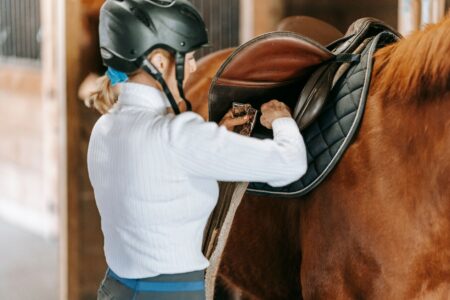
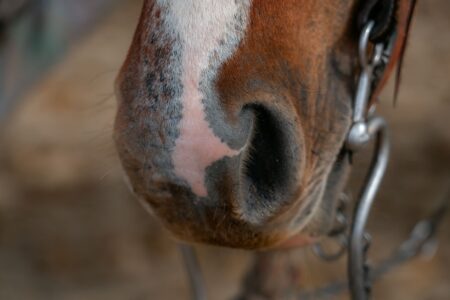
Saddle seat leather – the distinctive, pebbled, slightly buffed hide used across the sitting area of English riding saddles – has spent decades as a purely functional material. Its surface texture is engineered for grip, its weight calibrated for durability under pressure, its finish meant to age visibly and honestly. None of those qualities were designed with fashion in mind. And yet that exact combination of properties is now showing up in structured midi skirts, not as costume or equestrian cosplay, but as a quiet evolution in how texture carries silhouette.
The shift is gradual and deliberate. Designers working in the space between tailoring and sportswear have started pulling from polo club aesthetics with more specificity than the broad “equestrian trend” label usually allows. This is not about riding boots or houndstooth blazers. It is about the particular grain, the particular weight, and the particular way saddle seat leather holds a seam – and what that means when you wrap it around the lower half of a carefully structured dress silhouette.
What Saddle Seat Leather Actually Is
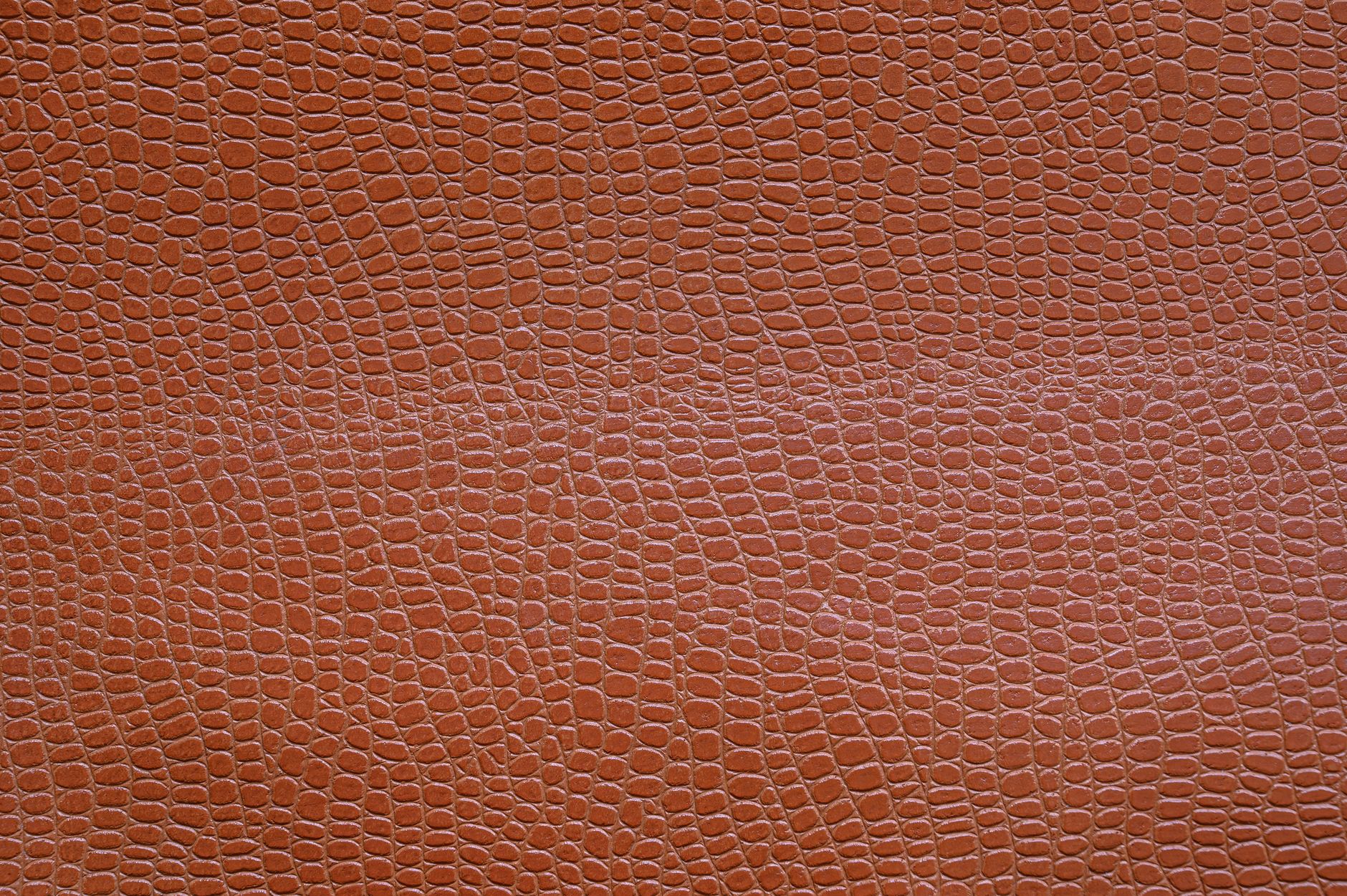
Standard fashion leather – lambskin, nappa, smooth calf – is chosen for softness, drape, and surface refinement. Saddle seat leather operates on different logic. It is typically full-grain or corrected-grain cowhide that has been treated to resist moisture, compressed to hold structure under repeated friction, and finished with a surface texture that grips without adhesion. The result is a material that looks lived-in even when new, with a slightly matte, pebbled surface that catches light at odd angles rather than reflecting it uniformly.
That texture behavior is what makes it interesting in a garment context. Most structured midi skirts rely on internal boning, heavy interfacing, or stiff woven fabrics to maintain their shape. Saddle seat leather contributes structure without any of those additions – it holds a box pleat on its own, supports a kick vent without collapsing, and keeps a waistband flat without needing internal stays. The material does the engineering work that other fabrics need assistance to achieve.
The weight also matters. Saddle seat leather sits heavier than fashion-grade calf, which means a midi-length skirt hangs with the kind of gravity that actually reads as deliberate construction rather than coincidence. When you walk, the hem swings cleanly and returns. There is no flutter, no clinging, no distortion. That behavior – controlled, weighted, precise – is exactly what structured midi silhouettes are trying to achieve through cut and seaming, and the material delivers it inherently.

The Polo Club Reference and Why It Matters
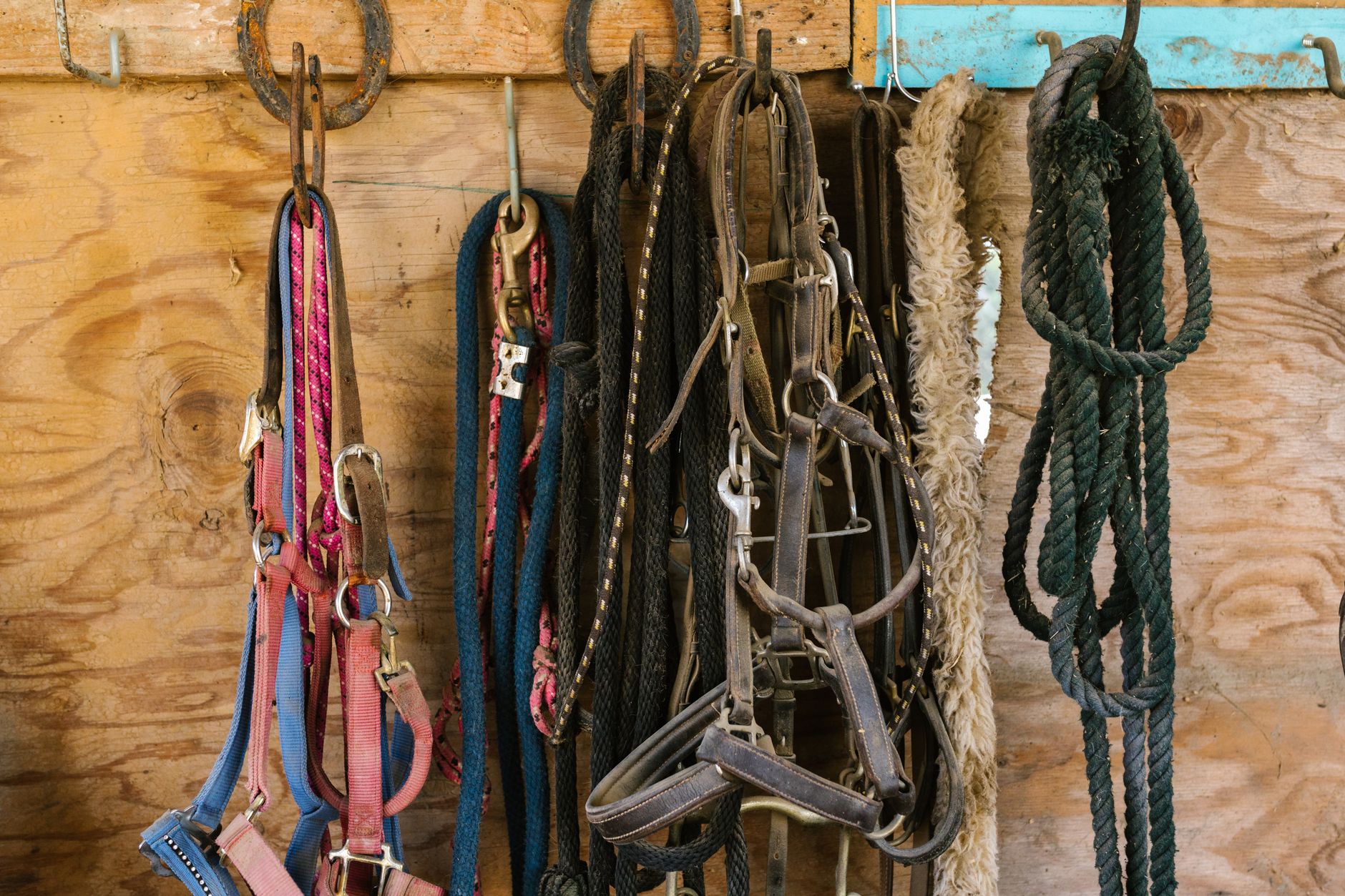
Polo club dressing has its own visual codes, and saddle seat leather is one of the more obscure ones. The saddle room aesthetic – walls hung with bridles, shelves stacked with tack, the particular smell and surface of well-maintained riding equipment – carries a certain kind of luxury that operates completely outside conventional fashion signaling. It is not about logos or runway visibility. It is about material knowledge, craft specificity, and the kind of quality that you only recognize if you already know what you are looking at.
That insider quality is part of why this particular texture is landing well right now. Readers of equestrian culture who encounter saddle seat leather on a structured midi skirt will immediately understand the reference without needing it spelled out. Readers outside that world simply see a distinctively textured, beautifully weighted leather skirt that reads as expensive and considered. The reference does not require translation to work, but it rewards people who know it.
How the Texture Works Against a Structured Midi Shape
The structured midi skirt is a silhouette built on tension – between formality and ease, between volume and restraint, between coverage and visual interest. Smooth leather at midi length tends to read as severe or corporate, carrying too much association with power-dressing to feel genuinely current. Saddle seat leather sidesteps that problem because its surface texture breaks up the visual mass of the skirt without softening the silhouette. You get structure without austerity.
The pebbled grain also interacts with topstitching in a way that smooth leather cannot replicate. Designers using saddle seat leather in structured midi silhouettes often let the seaming do double duty – the stitching creates surface detail while also reinforcing the skirt’s shape at the hip and knee. This is the same logic that governs welt seam detailing on structured midi hems, where construction techniques borrowed from equestrian tack-making become the decorative language of the garment.
Color plays differently on this texture, too. Saddle seat leather in traditional tan or cognac tones carries the equestrian reference most directly, but the same material in dark forest green, navy, or oxblood reads as a textured suiting alternative rather than a riding reference. That versatility is significant – it means the material can carry the structural benefits of the original saddle application while adapting completely to the color palette of modern tailoring. A deep burgundy saddle seat leather midi skirt next to a crisp white shirt and flat loafers looks nothing like a riding outfit. It looks like considered, specific dressing.
There is also something worth paying attention to in how saddle seat leather ages on a skirt specifically. Unlike smooth fashion leather, which can crack at fold points or develop uneven patina at stress lines, saddle seat leather is designed to age through use across a large, regularly pressured surface. The seat of a saddle experiences constant friction, flexion, and exposure – and the leather is treated to develop a consistent, even patina under those conditions. On a midi skirt, those same properties mean that the leather at the hem, the side seams, and the waistband will all age at roughly the same rate, developing a patina that looks intentional rather than worn-out. That is a long-term quality argument that fashion leather rarely gets to make honestly.
The question the silhouette leaves open is whether saddle seat leather can hold its specificity as the equestrian reference broadens into wider trend territory. Right now, the material reads as considered precisely because it requires knowledge to source correctly – not every tannery produces saddle seat hide in weights and finishes appropriate for garments, and the construction techniques for working with it differ enough from fashion leather that not every atelier can handle it well. Once the material becomes more accessible and the construction shortcuts start appearing, the texture will still be there but the integrity of what makes it work structurally might not follow.