

When the Peloton Meets the Pavement
Cycling kit has always had a visual language of its own – bold color blocking, aerodynamic silhouettes, technical fabrics pulled tight across the body. For decades, that language stayed firmly on the road, belonging to Saturday morning rides and velodrome competitions. What’s happening now is different: the aesthetic codes of performance cycling are migrating into wardrobes that never go near a saddle.
The shift is visible on city streets from East London to Lower Manhattan, where skin-tight bib shorts, colorful jerseys with back pockets, and sleek cycling caps are showing up as deliberate outfit choices rather than post-ride convenience. This is not athleisure in the familiar sense – it carries a specific visual identity that references sport without pretending to be sportswear. The people wearing it know exactly what they’re doing.
Cycling aesthetics are having a cultural moment, and the timing makes sense.

The Kit That Crossed Over
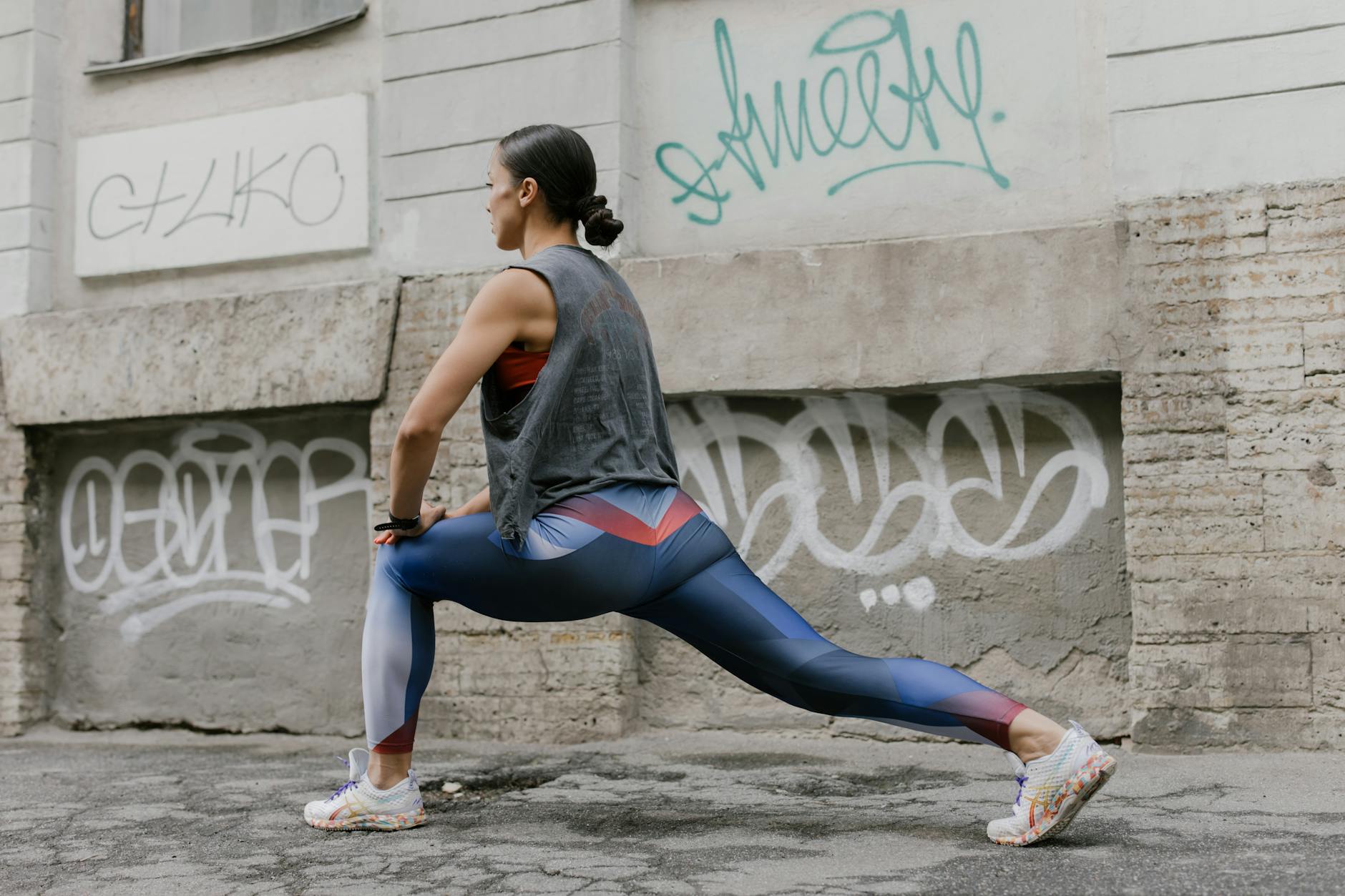
The appeal starts with the garments themselves. Cycling jerseys are constructed with an architectural precision that most casual clothing cannot match – dropped hems at the back, zippered collars, paneled construction that flatters the torso. When styled off the bike with wide-leg trousers or layered over a long-sleeve base, that same precision reads as intentional design rather than athletic function. The bib short, meanwhile, has become a surprising streetwear staple, worn with chunky sneakers and oversized knits by people who treat its compressive silhouette as a counterpoint to looser pieces.
A growing number of independent brands are producing cycling-influenced pieces that never claim to be performance gear. They borrow the palette – team-color primaries, high-visibility yellows and oranges, the kind of gradient blocking associated with sponsored race jerseys – and apply it to relaxed-cut shirts, zip-up pullovers, and lightweight shorts cut with enough room to move freely. The result sits at the intersection of retro sportswear and contemporary casual dressing. It references cycling culture without demanding any athletic credibility from the person wearing it.
Vintage cycling kit is also doing a lot of the work here. Deadstock jerseys from European amateur clubs, retired team kits from races no one outside the sport has heard of, and faded woolen pullovers from the pre-synthetic era are circulating through secondhand markets and vintage dealers at prices that have climbed sharply. The appeal is partly the graphics – hand-sewn lettering, regional sponsor logos, colors that look sun-faded in exactly the right way – and partly the knowledge that these pieces were made to perform, which gives them an authenticity that reproduction sportswear struggles to replicate.
Luxury’s Interest in the Peloton
High-end fashion has been circling cycling aesthetics with increasing focus. Several ready-to-wear collections in recent seasons have incorporated jersey-style construction, bib silhouettes reworked in premium fabrics, and cycling cap shapes translated into structured headwear. The cycling cap specifically – that small, brimmed cotton piece worn forward or backward – has become a recurring accessory across streetwear and fashion-forward casual dressing, valued for the same reason bucket hats were a decade ago: it signals awareness without requiring explanation.
Technical fabric is central to the luxury angle. Cycling kit has always demanded materials that perform under pressure – moisture management, compression, abrasion resistance – and the fabrics developed for serious cycling wear are now being seen as desirable in their own right. The matte sheen of Lycra blends, the structured lightness of Italian cycling jersey fabric, the breathable density of bib short construction: these material qualities translate into luxury casual pieces that feel expensive because the engineering behind them actually is. Some premium brands are working directly with cycling fabric suppliers to produce pieces that carry the tactile language of performance without the branding of sport.
The accessories category has followed its own trajectory. Cycling gloves with open fingers and padded palms are being worn as fashion accessories. Aerodynamic sunglasses – the kind with wraparound shields and vented frames designed for road riding – have crossed into general streetwear via the sports-luxury crossover that other athletic disciplines have already traveled. Cycling shoes with stiff soles and ratchet closures are appearing on feet that will never clip into a pedal.
Why This Particular Sport, Why Now
Cycling occupies a specific cultural space that makes its aesthetic ripe for this kind of migration. It has a long European heritage – the grand tours, the cobbled classics, the regional amateur traditions – that gives it historical weight without the mass-market saturation of football or basketball. It carries associations with endurance, independence, and a certain stripped-down relationship with the physical world. At the same time, road cycling has a well-documented class dimension, particularly in its premium equipment culture, that makes it legible to fashion audiences drawn to expensive understatement.
There is also something happening with the visual richness of cycling kit that fashion is clearly responding to. Few sports produce garments with as much graphic complexity per square inch – sponsor patches, national federation logos, team colorways, numbered panels, reflective detailing. When that graphic density is applied to well-constructed garments and worn outside the context of competition, it functions the way printed workwear or military surplus does: as a ready-made visual language that carries meaning without the wearer having to construct it from scratch.
The amateur cycling community, meanwhile, has developed its own sophisticated relationship with kit aesthetics that has little to do with performance and everything to do with self-presentation. The concept of soigneur culture – the attention to detail, the considered approach to what you wear on a ride – has long existed within cycling. That sensibility is now bleeding outward into how cycling aesthetics are being consumed by people who ride casually, or not at all.
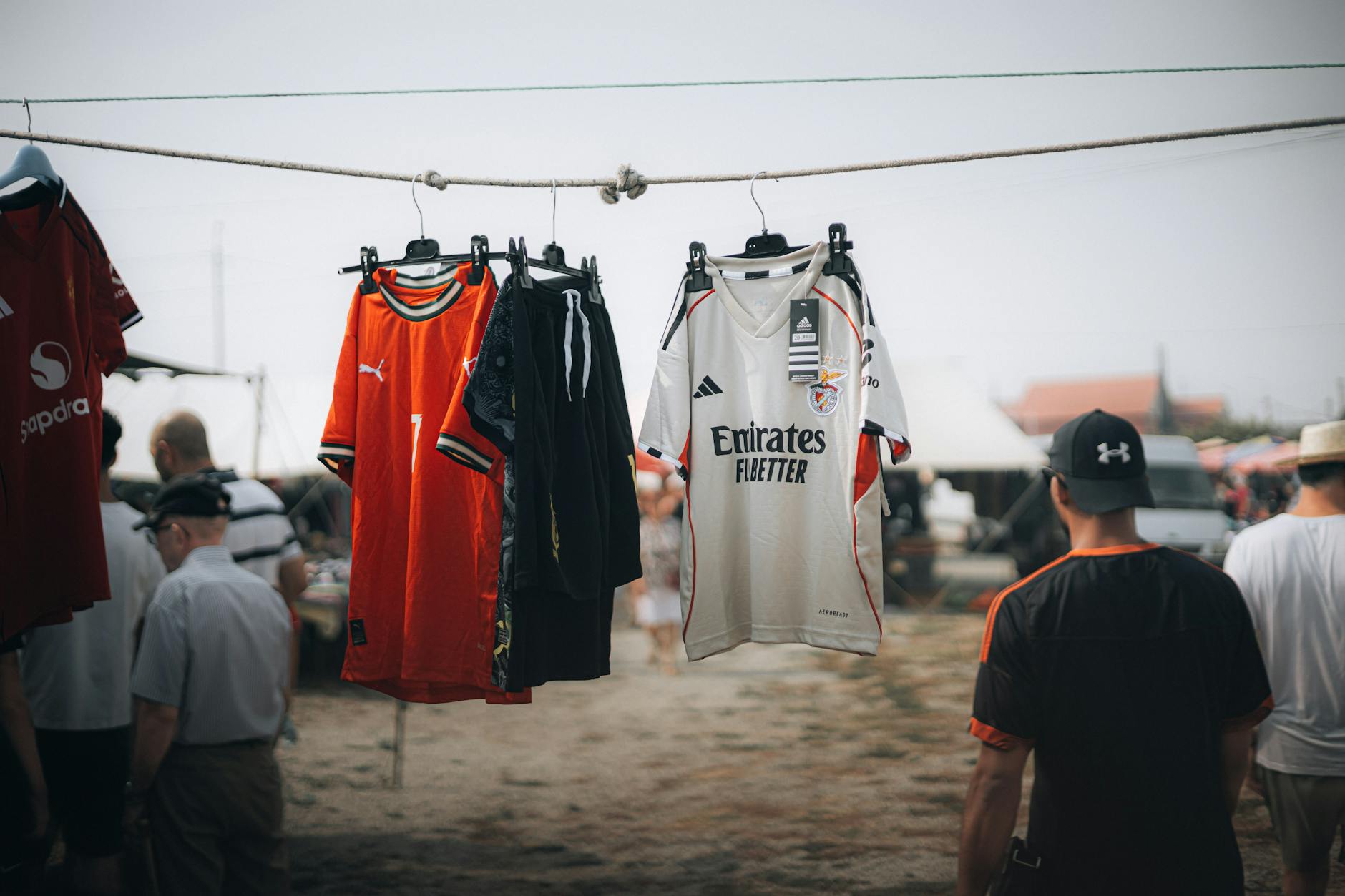
What no one quite knows yet is whether cycling kit will follow the path of running shorts and basketball jerseys into full mainstream adoption, or whether its appeal depends precisely on remaining the kind of reference that not everyone immediately gets – the team jersey from a Belgian semi-professional club that existed for three seasons in the 1980s, worn by someone who found it in a box at a market and spent two weeks trying to identify whose colors they were wearing.