

The Pool Cap Goes Editorial
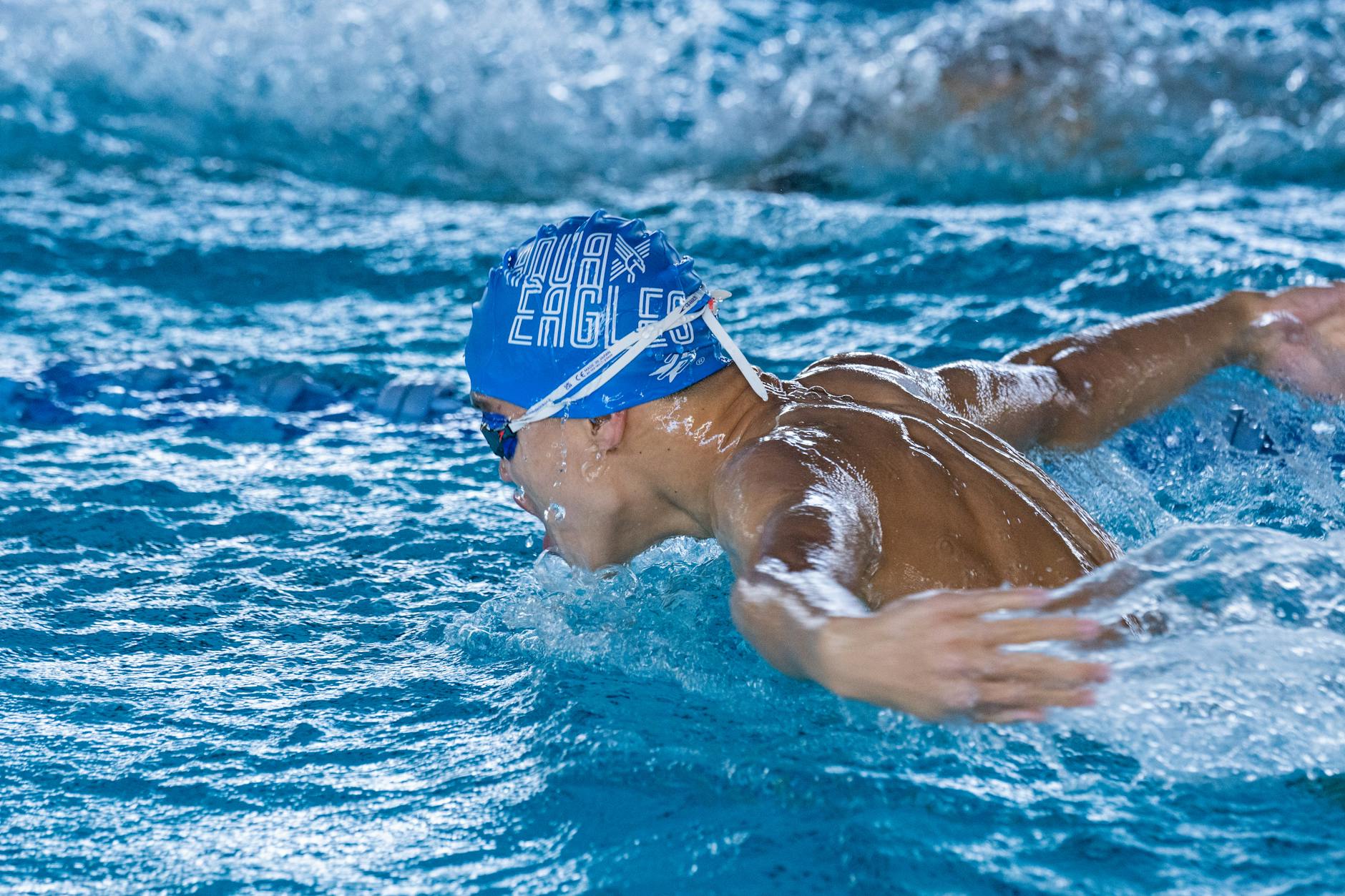
Water polo caps were designed for function, not fashion. The rubber ear guards, the chin strap, the numbered panels – every element exists to keep a cap on a player’s head during a contact sport played in a churning pool. They are not subtle objects. They are not meant to be. That is precisely why fashion editors are reaching for them.
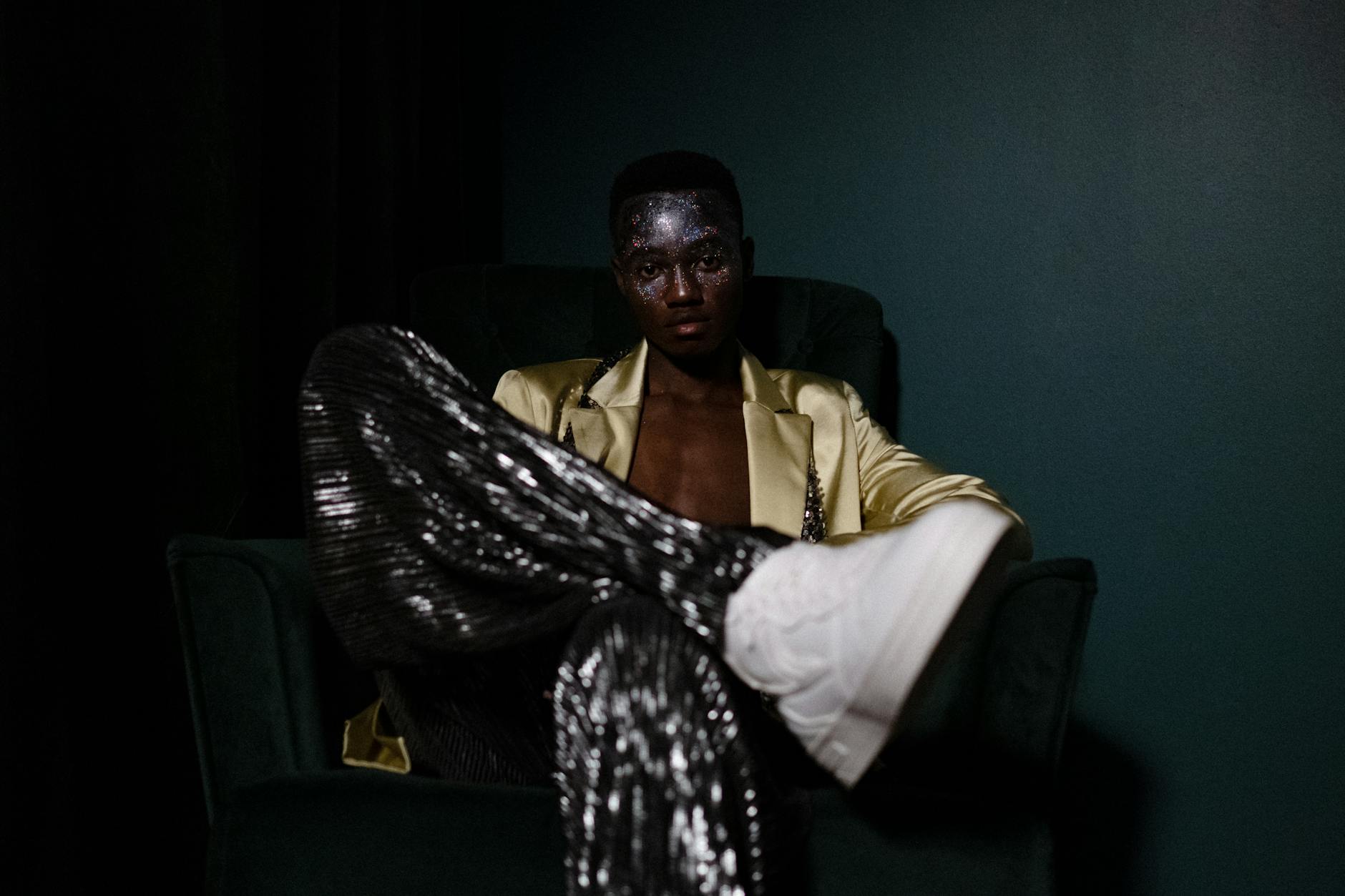
A growing number of luxury editorials – shot for print magazines and high-end digital platforms alike – have started featuring water polo caps styled against raw silk, tailored outerwear, and architectural jewelry. The cap functions as a deliberate collision: a piece of gear that carries no social pretension placed directly in the context of aspirational dressing. The visual tension is the point.
It reads as a provocation, and fashion right now is hungry for those.
Why Athletic Equipment Keeps Ending Up on Mood Boards
The pattern of sportswear crossing into luxury editorial is not new, but the objects doing the crossing keep getting more obscure. Cycling helmets, fencing masks, and lifeguard gear have all taken their turn in front of the camera. Each wave tends to follow the same logic: the more utilitarian the object, the more interesting it becomes when stripped of its original context. Water polo caps sit at an extreme end of that spectrum. Unlike a baseball cap, they have no history as a casual street accessory. They belong to a niche, highly specific sport with a narrow cultural footprint. That specificity is what makes them register so sharply in an editorial frame.
There is also something happening with silhouette. The water polo cap is a close-fitting, structured form that wraps the entire head and covers the ears. Stylists working with oversized coats, sculptural bags, or voluminous skirts can use it to create a tightly controlled focal point at the face. It works against volume the way a close-cropped hat might, but with more visual noise – the straps, the ear guards, the hardware – which gives a photograph something to hold onto.
Color plays a role, too. Water polo caps are traditionally produced in a limited palette: red, white, navy, black, with bold contrasting numbers. That graphic quality translates well to high-contrast photography, and a growing number of stylists seem to be treating them the way they might treat a bold piece of millinery – as something that anchors the image and demands a response from the viewer.
The Luxury Market’s Complicated Relationship With Gear
What makes this trend worth watching is not just that water polo caps are appearing in editorials – it is the speed at which niche athletic references get absorbed by the accessories market once they gain editorial traction. Goggles moved from swim meets to runway shows in a matter of seasons. Rubber-soled sandals went from dive boats to designer shelves within a cycle or two. The editorial pipeline feeds the retail pipeline, and a water polo cap photographed alongside a four-figure handbag is effectively a pitch to a design team about where the market might move next.
Some brands have already begun experimenting with gear-adjacent headwear – caps with structured ear coverage, buckle closures, and rubberized materials that echo athletic equipment without lifting it directly. Whether the water polo cap itself gets a luxury-branded version, or whether designers simply borrow its aesthetic logic and translate it into new silhouettes, the influence is already moving downstream.
The tension between athletic utility and luxury signaling is exactly what keeps this kind of crossover alive. A water polo cap costs a fraction of what almost anything else in a luxury editorial costs. Placing it next to a cashmere coat or a sculptural mule creates an economic dissonance that feels intentional – and in fashion, intentional dissonance is rarely accidental. Editors use it to signal that the season’s thinking is moving somewhere unexpected.
What Actually Happens Next
Fashion’s relationship with athletic gear tends to follow a predictable arc – obscure object gets noticed, editorial attention spikes, brands interpret the aesthetic, the original object either disappears back into sport or becomes a novelty purchase – but water polo caps have a physical limitation that might short-circuit that cycle entirely. The ear guards and chin strap make them genuinely uncomfortable to wear for extended periods outside of a pool. That friction could keep them locked at the editorial level, interesting as an image but resistant to mass adoption. Which might be the exact reason they stay desirable to the fashion world for longer than most – because the moment something becomes easy to wear everywhere, the editorial appetite for it tends to collapse.