


The Wall Game is one of Eton College’s most arcane traditions – a brutal, mud-soaked ritual played along a narrow strip of turf beside a crumbling brick wall, with rules so complex they’ve produced only a handful of goals in over a century. The uniform it demands is equally uncompromising: thick, billowing knickerbockers that bunch below the knee, built for collision and grip rather than any aesthetic consideration. Designers are now looking at that silhouette and seeing something else entirely.

The Silhouette Nobody Expected to Travel This Far
Knickerbockers occupy a strange position in menswear history. They were once entirely practical – the gathered, below-the-knee cut allowed freedom of movement for cyclists, hunters, and schoolboys playing contact sports on cold English mornings. Fashion eventually retired them to the costume archive, where they sat alongside frock coats and spats as evidence of how completely clothing can fall out of use. The Wall Game version is a particularly extreme specimen: cut full through the thigh, heavy in fabric weight, and designed to hold its shape under physical duress.
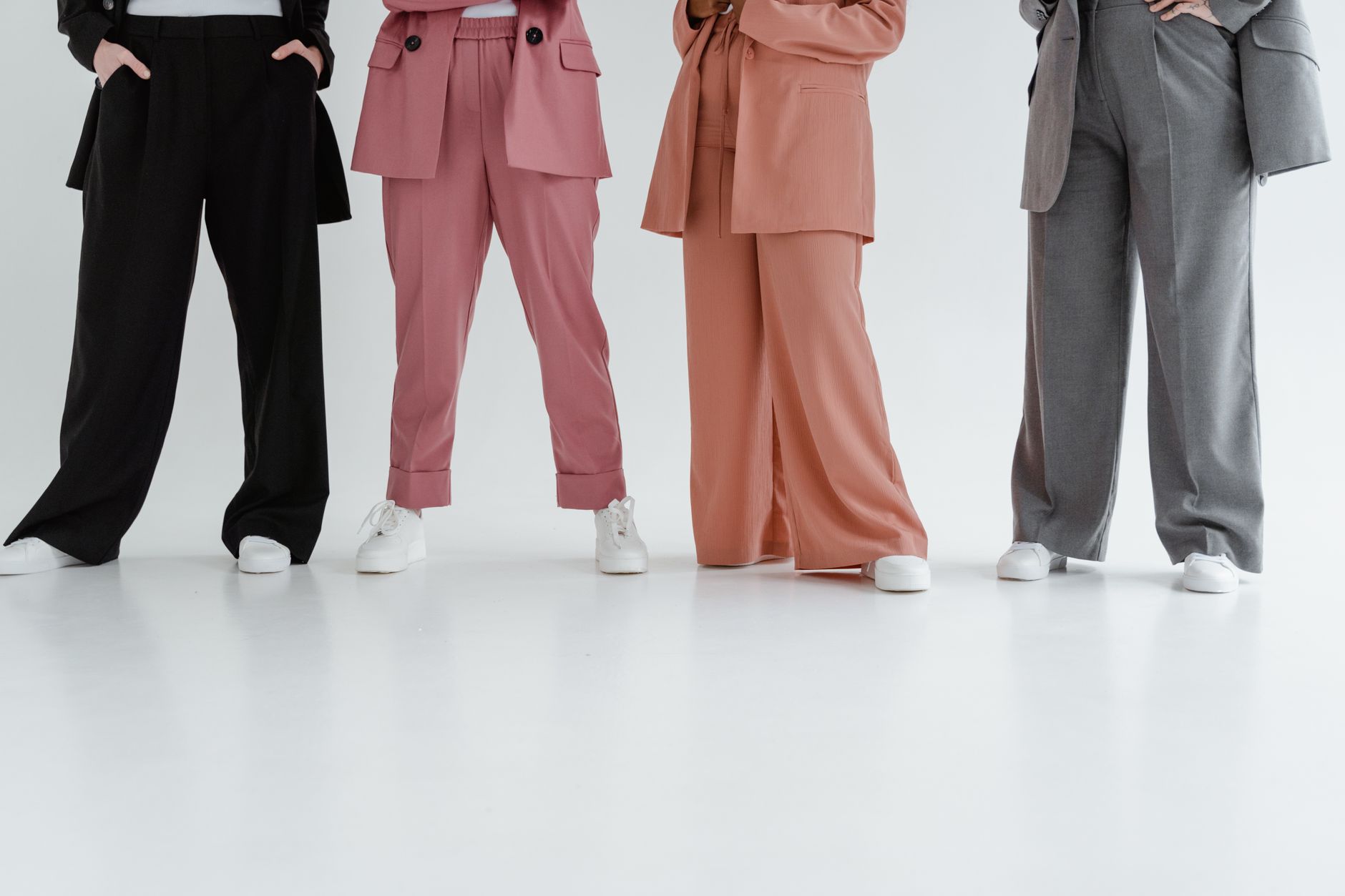
What makes the Wall Game knickerbocker interesting to contemporary designers is precisely its excess. The trouser silhouette that has dominated menswear for the past several seasons has been moving steadily toward volume – wide legs, dropped crotches, fabric that pools and drapes rather than hugs. The knickerbocker fits neatly into that conversation, except it cinches where the wide-leg trouser floats free. That gathered closure below the knee creates a controlled drama: generous through the upper leg, then resolved into a clean line. It reads less like a relic and more like a logical extension of where relaxed tailoring is already heading.
A growing number of designers working in relaxed tailoring have begun referencing British scholastic sportswear without announcing it directly. The references show up in fabric choices – heavy wool flannels and dense cotton twills that hold structure without stiffening – and in the proportions of the seat and thigh, which skew deliberately generous. The knickerbocker closure itself, whether achieved through a wide elastic cuff, a buckled band, or a simple drawstring, is appearing at mid-calf and just below the knee on pieces that otherwise present as modern wide-leg trousers.
The appeal is partly about contrast. A trouser that balloons through the leg and then terminates cleanly creates a visual stop that a straight wide-leg or a cropped hem does not. The eye lands somewhere specific. Worn with tall socks – whether fine-ribbed wool or a heavier knit – the gathered cuff creates a layering opportunity that straight trousers simply cannot. This is where the Wall Game silhouette stops being a costume reference and starts functioning as genuine proportion play.
How the Drop Is Actually Working in Practice
The translation from muddy school sport to wearable fashion is less violent than it sounds. The key move is loosening the gather. Traditional knickerbockers bunch aggressively at the closure, creating a pronounced puff above the knee band. Contemporary interpretations are relaxing that bunch – keeping the gathered cuff but allowing the fabric to fall more softly, so the trouser reads as a wide-leg with an interesting hem solution rather than as a period costume piece. The volume redistributes toward the lower leg rather than concentrating at the knee, which changes the entire mood.
Fabric is doing significant work in this shift. Wall Game knickerbockers are built from materials designed to survive physical contact – stiff, substantial, and unyielding. The updated versions reaching retail and runway are being cut from fabrics with more drape: lightweight wools, cotton-linen blends, even a ripstop nylon that softens the silhouette while maintaining the gathered closure. When the fabric moves with the body rather than asserting its own shape, the knickerbocker reads contemporary rather than theatrical.
Color is another point of departure. The original palette is essentially grey, navy, and mud – utilitarian by necessity. The relaxed versions arriving now are working in earth tones, warm taupes, and occasional washed blacks that sit comfortably alongside the broader neutral menswear palette. Some pieces are appearing in muted patterns – a fine houndstooth, a tonal check – that nod to traditional suiting without committing to it. The effect is a trouser that carries the weight of a tailoring reference without the formality.
Styling choices are accelerating the trend’s credibility. The gathered-cuff trouser works particularly well with voluminous outerwear – a boxy blouson or an oversized field coat creates a top-heavy silhouette that the knickerbocker’s defined lower leg anchors. Worn with a straightforward oxford shirt and a simple knit, the same trouser becomes something more casual, closer to a dressed-up tracksuit bottom than an aristocratic sporting uniform. That range of register is what separates a trend with staying power from one that burns out after a single season.
The hosiery question is worth taking seriously. Knickerbockers historically demanded long stockings, and the contemporary version benefits from the same logic – a bare ankle or a standard ankle sock undercuts the deliberate proportion of the gathered cuff. A taller sock, whether a fine-gauge ribbed wool or a heavier athletic style, completes the silhouette and grounds the look. Some early adopters are pushing this further, layering visible sock textures against the trouser cuff as a deliberate styling choice rather than an afterthought. For those interested in how Eton’s dress codes are finding their way into modern wardrobes beyond the trouser, the school’s striped neckwear has been undergoing a similar translation into unisex neckwear.
The Specific Tension That Keeps This Interesting
There is a real risk embedded in any trend that originates at an institution as socially specific as Eton. The school carries enormous cultural freight – class, privilege, a particular strain of English conservatism – and design references that lean too close to the source material can tip from studied into oblivious. The Wall Game knickerbocker survives this problem because it arrives so stripped of obvious signifiers. Most people looking at a relaxed gathered-cuff trouser in taupe linen will not think of Eton at all. The silhouette has traveled far enough from its origin that it functions on its own terms.
What keeps the conversation open is whether the gathered cuff can hold its position as volumes in menswear continue shifting. Wide-leg trousers have been dominant long enough that the next move is already being debated – some collections are already pulling back toward a slimmer cut, which would leave the knickerbocker silhouette stranded between two eras. The gathered-cuff trouser works when the fashion context supports generous volume. If the tide turns toward a narrower leg, the Wall Game’s contribution to the relaxed trouser canon may turn out to be brief and well-timed rather than enduring.