


The Martial Arts Training Floor Just Became a Runway Reference
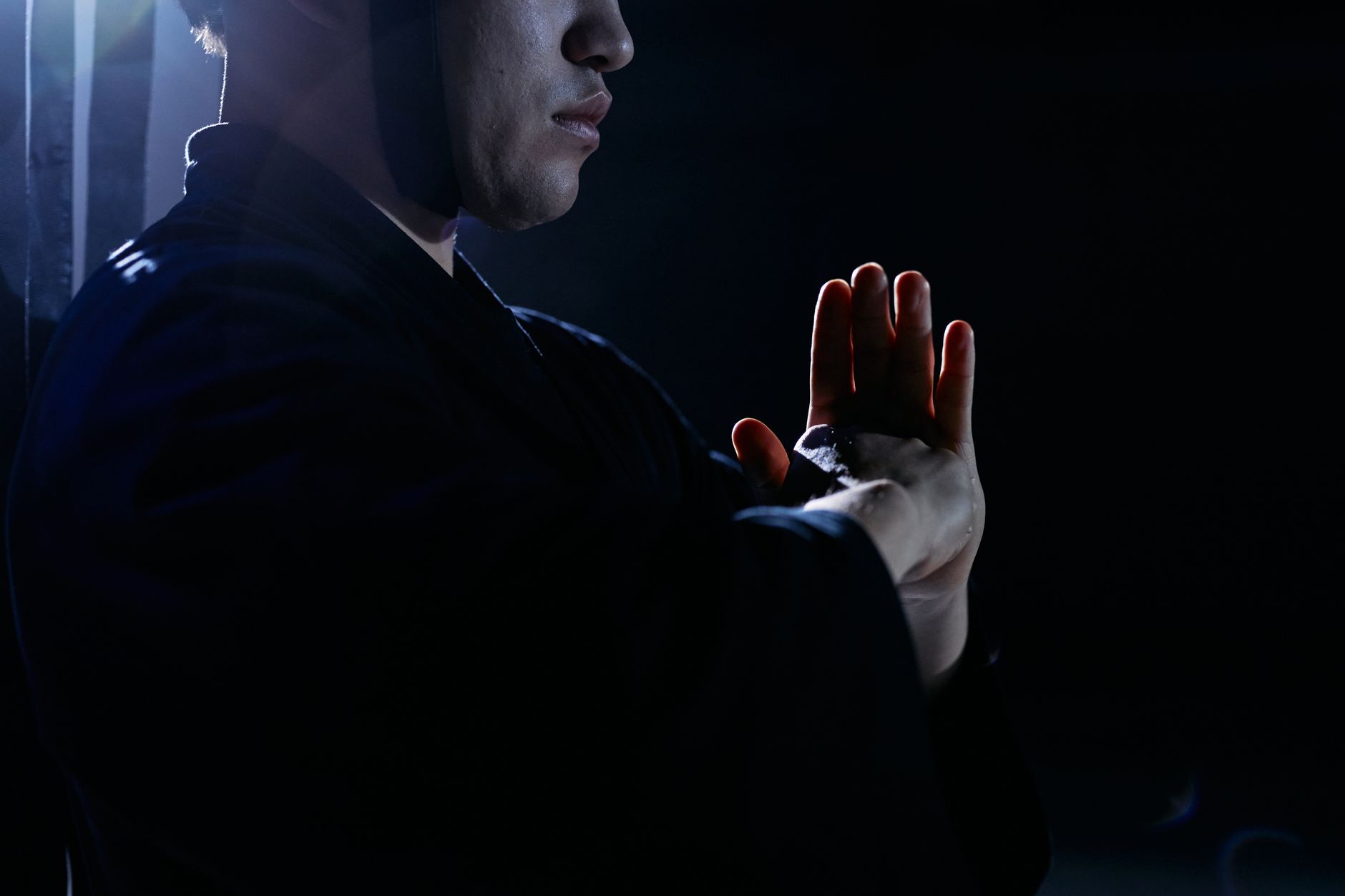
Kendo’s tare – the thick, rectangular apron worn across the hips to protect the groin and thighs during practice – has never been designed with fashion in mind. It is heavy-duty indigo cotton, stitched into five rigid vertical panels, worn strapped tight over a hakama and treated purely as armor. That utilitarian logic is exactly why a small but growing cluster of independent designers has started pulling the silhouette apart and rebuilding it as a pleated skirt drop.
The crossover is showing up in pre-fall and resort lookbooks, in small-run streetwear capsules, and on the racks of concept stores that track where workwear and martial arts gear converge with contemporary shirting. The tare’s flat-front panel construction, its exaggerated hip width, and the deep horizontal stitching lines that hold each padded section in place all translate directly into the language of structured pleating – and that translation is happening fast.

Why the Tare Shape Works as Outerwear
A traditional tare sits below the navel and ends mid-thigh. The five panels hang independently from a waistband, which means the garment moves with the body but holds its silhouette – it billows slightly at the hem but never loses its rectangular front plane. That movement dynamic is exactly what pleated skirt designers have been chasing through complex internal structure for years. The tare achieves it through padding alone.
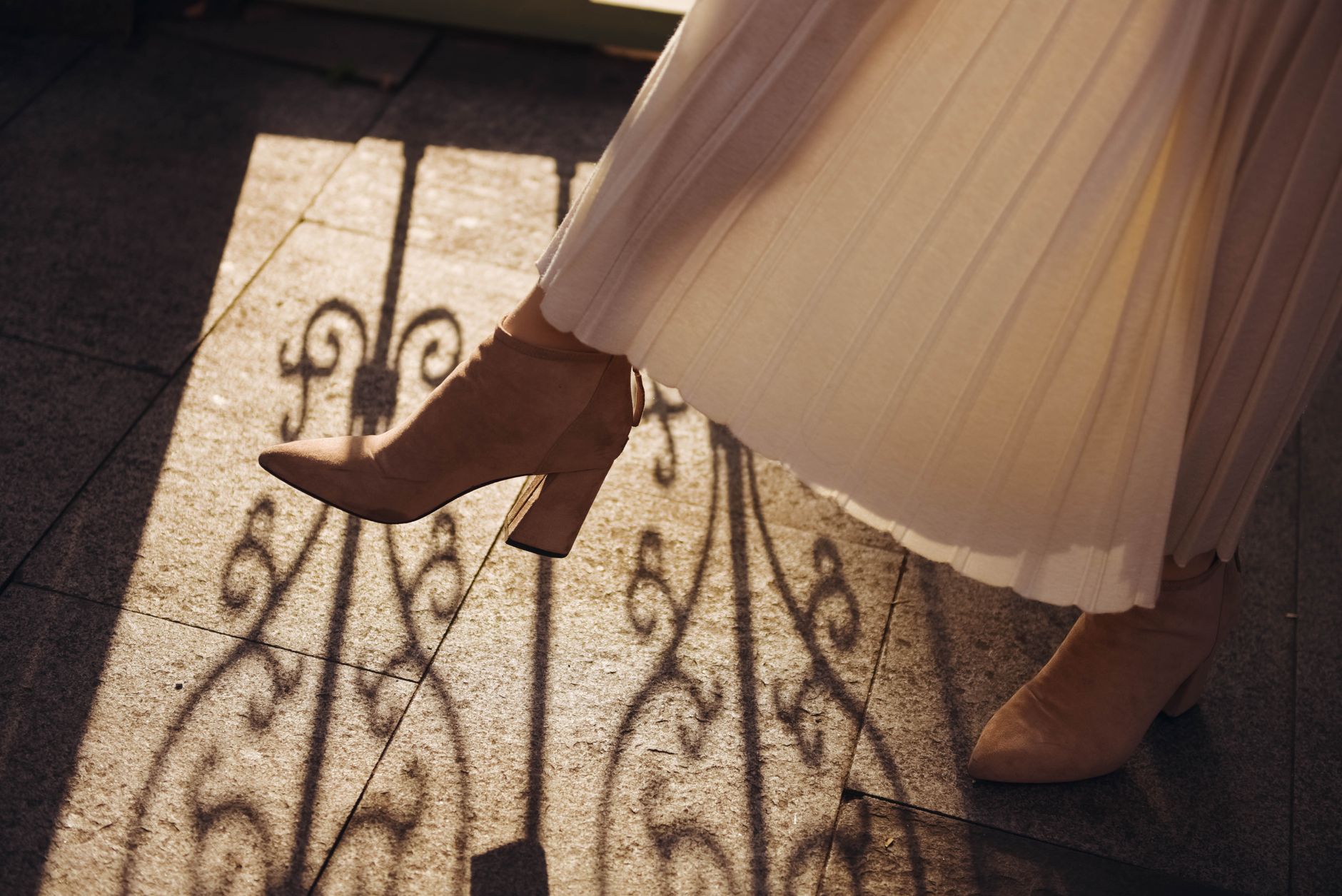
Removing the padding and flattening the panels into a single layer of structured cotton or heavy linen gives a garment that behaves like a wrap skirt but reads like a work apron. The five-panel count becomes a pleating system. The horizontal stitching lines become tuck details. The straps, which on a real tare wrap around the waist and tie at the back, get reinterpreted as adjustable waist ties or drop-panel closures that deliberately reference traditional Japanese protective clothing without copying it directly.

The Material Conversation
Original kendo tare construction uses thick cotton canvas that has been treated for durability and impact absorption. Fashion adaptations are reaching for a wider material range – raw denim, waxed linen, heavyweight jersey, and in a few cases double-face wool – but the weight principle is being preserved. These are not lightweight pieces. The skirt should hold its own shape standing unsupported, which pushes them firmly into the outerwear-adjacent category rather than warm-weather dressing.
Indigo is the obvious color starting point, and most early drops are leaning into it, offering deep navy and washed blue as the baseline palette before branching into natural undyed canvas or deep olive. A few designers are staying strictly within the traditional kendo color range – indigo and black – which gives the pieces an almost uniform quality, something that reads as workwear even when worn with entirely non-functional clothing.
The waistband treatment varies more than any other construction element. Some interpretations preserve the wide, stiff kendo waistband and use it as a structured waist-cinching device, which creates a strong silhouette contrast between the rigid upper section and the hanging panels below. Others narrow the waistband dramatically, letting the tare-derived shape read as pure skirt rather than hybrid protective gear. Neither approach is wrong, but the wide-waistband versions hold closer to the original reference and tend to photograph with more architectural presence.
Fabric weight and structure also determine how the horizontal stitching lines read at a distance. In heavier materials, those stitched panel dividers become actual visual bars across the front of the garment, adding a grid quality that connects to uniform dressing and protective equipment. In lighter interpretations, the same lines soften into subtle tuck marks that could read as traditional pleating details to anyone unfamiliar with the martial arts source material.
Who Is Wearing This
The early adopters are consistent with where workwear-derived drops typically land first: people who already move between functional clothing and fashion with some comfort, buyers at boutiques that stock both heritage outerwear and avant-garde independent pieces, and women’s wear editors who have spent the last several seasons watching uniform dressing pick up momentum across multiple price points. The tare skirt sits logically in that conversation.
Styling choices in early lookbooks tend to pair these pieces with collarless shirts in lightweight cotton or structured linen – a combination that keeps the silhouette in workwear territory without making it feel like costuming. Boot choices are leaning chunky and functional: wide-toe work boots, canvas sneakers, flat-soled leather sandals with thick straps. The point seems to be grounding the unusual hip structure in familiar, unsurprising footwear so the eye stays on the skirt itself.

Where the Drop Format Fits
The tare-derived skirt is not appearing in full collections. It is showing up as a single signature piece within a focused drop, usually alongside one or two complementary items that reinforce the workwear or martial arts reference – a tied wrap top, a collarless kimono-collar shirt, or a simple wide-leg trouser in the same fabric. The drop format suits this kind of reference-heavy piece precisely because it gives the garment room to be the statement without asking a full collection to carry the visual weight of a niche source material.
Small production runs are part of the logic here. A tare-derived skirt requires more construction labor than a standard pleated skirt – the panel stitching, the waistband structure, and the accurate tie system all add time and cost. Low-volume drops allow designers to price accordingly without anchoring an entire line at a higher price point. The scarcity element also works in the piece’s favor: it travels well on social platforms precisely because most people encountering it will not immediately recognize what they are looking at, which generates a question the caption can answer.
The five-panel construction that defines the traditional tare also creates a natural sizing challenge that drop formats help manage. Because the panels hang from a fixed waistband rather than draping or gathering, fit adjustments require structural changes rather than simple grading. Drops allow makers to produce a limited size run, assess how the fit lands in practice, and adjust construction for the next release – which may explain why several of these pieces have already appeared in revised versions just months after their first drops. The tare’s engineering is not forgiving, and working through that engineering in public, one small run at a time, is the format that makes sense for it.